
The search term chastity belt band is usually a component question, not a full product category. People use it when they know one part of the setup is important, but they are not yet sure what the correct technical name is.
That makes this page more useful than it sounds. Most discomfort problems begin at a specific component, and vague language can make it much harder to troubleshoot the real cause.
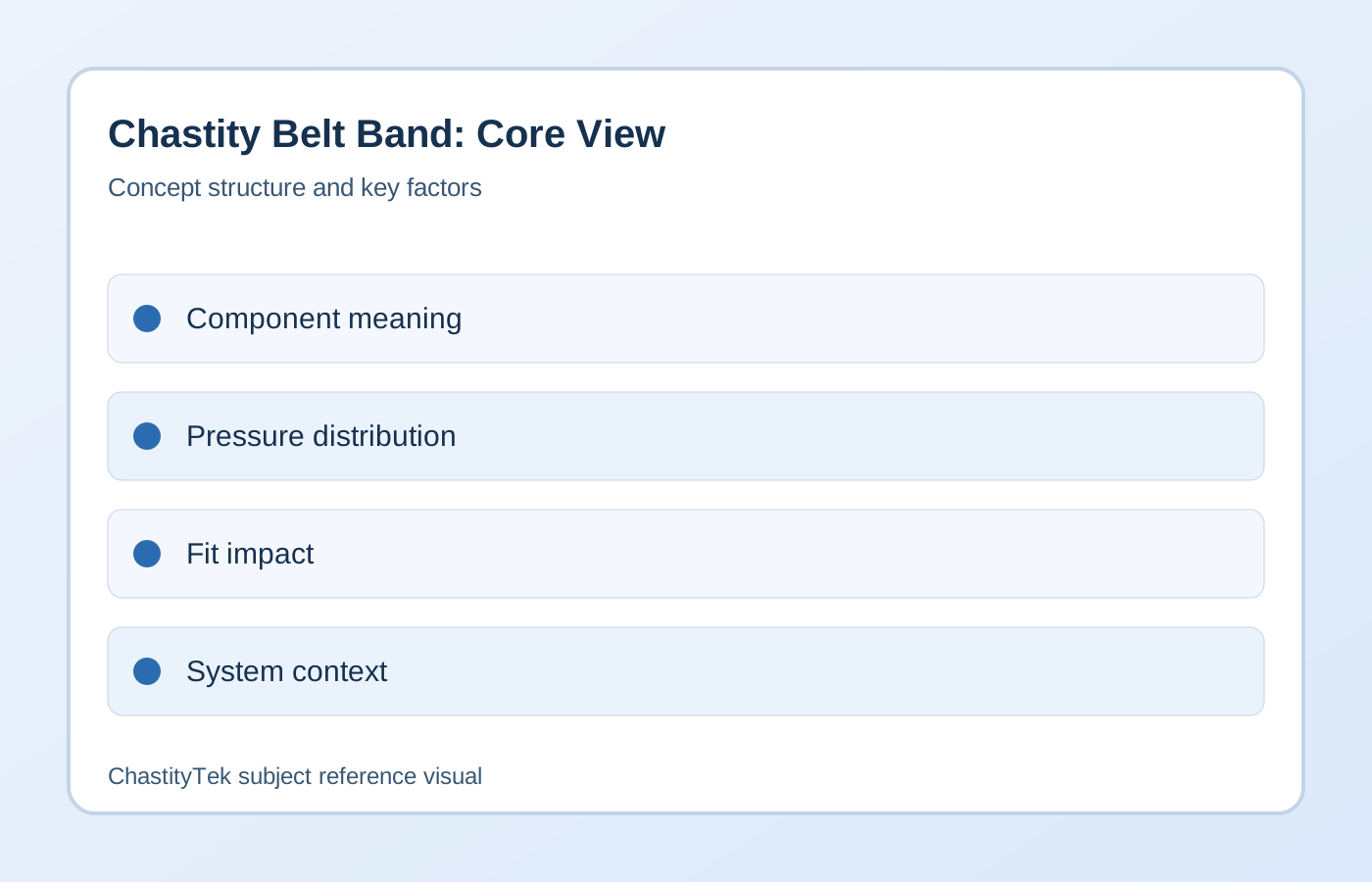
Quick Answer
In practice, band may refer to a waist band, support band, pressure-distribution section, or another retention component in a belt-style restraint system. The exact meaning depends on the design being discussed.
What People Usually Mean by Band
Depending on context, the word may point to:
- the waist section of a belt-style device
- a supporting strap or retention section
- a band-like ring or contact surface
- a generic term for "the part that feels too tight"
Because the word is broad, two people can use it for completely different parts. That is why troubleshooting becomes much easier when the wearer can describe where the pressure is, what movement triggers it, and whether the problem is friction or tightness.
Why Component Language Matters
A single badly designed contact point can ruin the whole system. That does not mean the entire concept is wrong. It means the wrong part is carrying too much load or sitting in the wrong place.
Precise component language helps separate:
- pressure problems
- friction problems
- alignment problems
- retention problems
- hygiene-access problems
This is how better device decisions get made.
Band Fit and Pressure Distribution
A good band or support section should distribute force across stable areas rather than concentrating it into one painful spot. When that fails, the wearer may notice:
- digging while sitting
- rubbing while walking
- shifting during movement
- predictable soreness after short sessions
Those are all signs that the component fit is wrong, not signs that the wearer "needs to get used to it."
Materials and Maintenance
The band section often affects:
- flexibility
- breathability
- sweat buildup
- ease of cleaning
- how stable the whole device feels over time
A secure band that is hard to maintain may still be a poor long-term choice. Hygiene practicality is part of performance.
Moving From One Part to the Whole System
Searchers often start with a component term like chastity belt band, then realize they actually need to evaluate the whole device. That means asking:
- Does the full system fit?
- Does it stay aligned while moving?
- Can it be cleaned properly?
- Is the pressure distributed across the right areas?
- Is a belt-style system even the right category for the use case?
That last question matters because some people chasing a "band" problem would be better served by a completely different device style.
Frequently Asked Questions
Is chastity belt band an official product category?
Usually no. It is more often user shorthand for one part of a larger setup.
Why do people search it so often?
Because early-stage buyers and troubleshooters often know the problem is local, but not what the exact component is called.
Can one bad component cause major discomfort?
Yes. Local pressure and friction problems are one of the most common reasons routines fail.
What should someone read after this page?
The strongest next pages are the male guide, the female guide, and the real-life overview.
Is this topic only for beginners?
No. Experienced users also revisit component terminology when troubleshooting fit problems.
Practical Takeaway
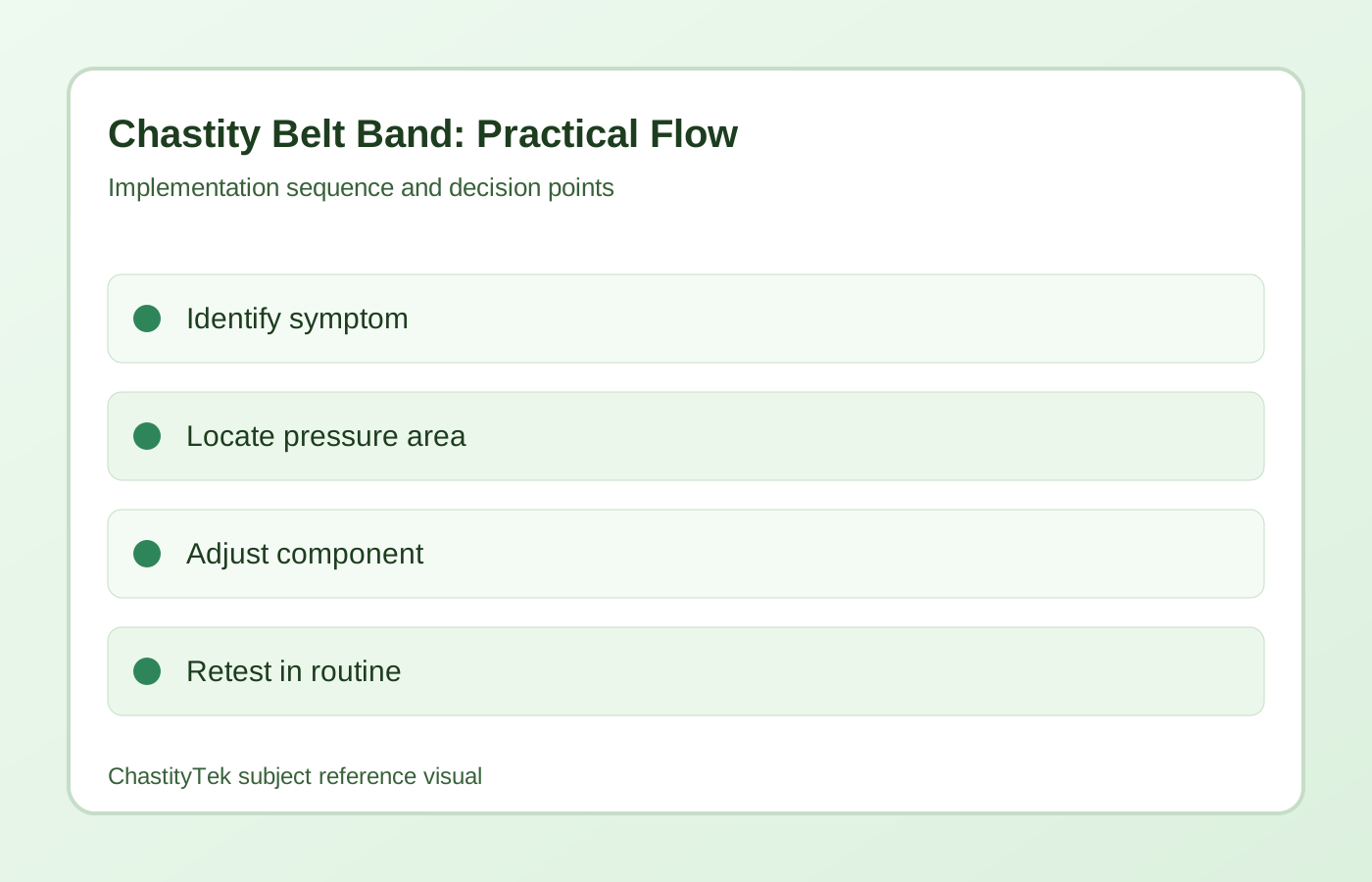
The word band matters because it usually points to the part of the device that is making or breaking comfort. Once that part is identified clearly, the solution usually becomes much more obvious.
If you have moved past component troubleshooting and are comparing complete modern systems instead, the next relevant internal page is The Veru One.