
Female chastity discussions are often vague, but practical use depends on details: fit geometry, pressure distribution, movement comfort, hygiene access, and communication quality between partners.
A safe and sustainable routine is usually built gradually. The goal is not intensity on day one. The goal is consistency, trust, and physical comfort over time.
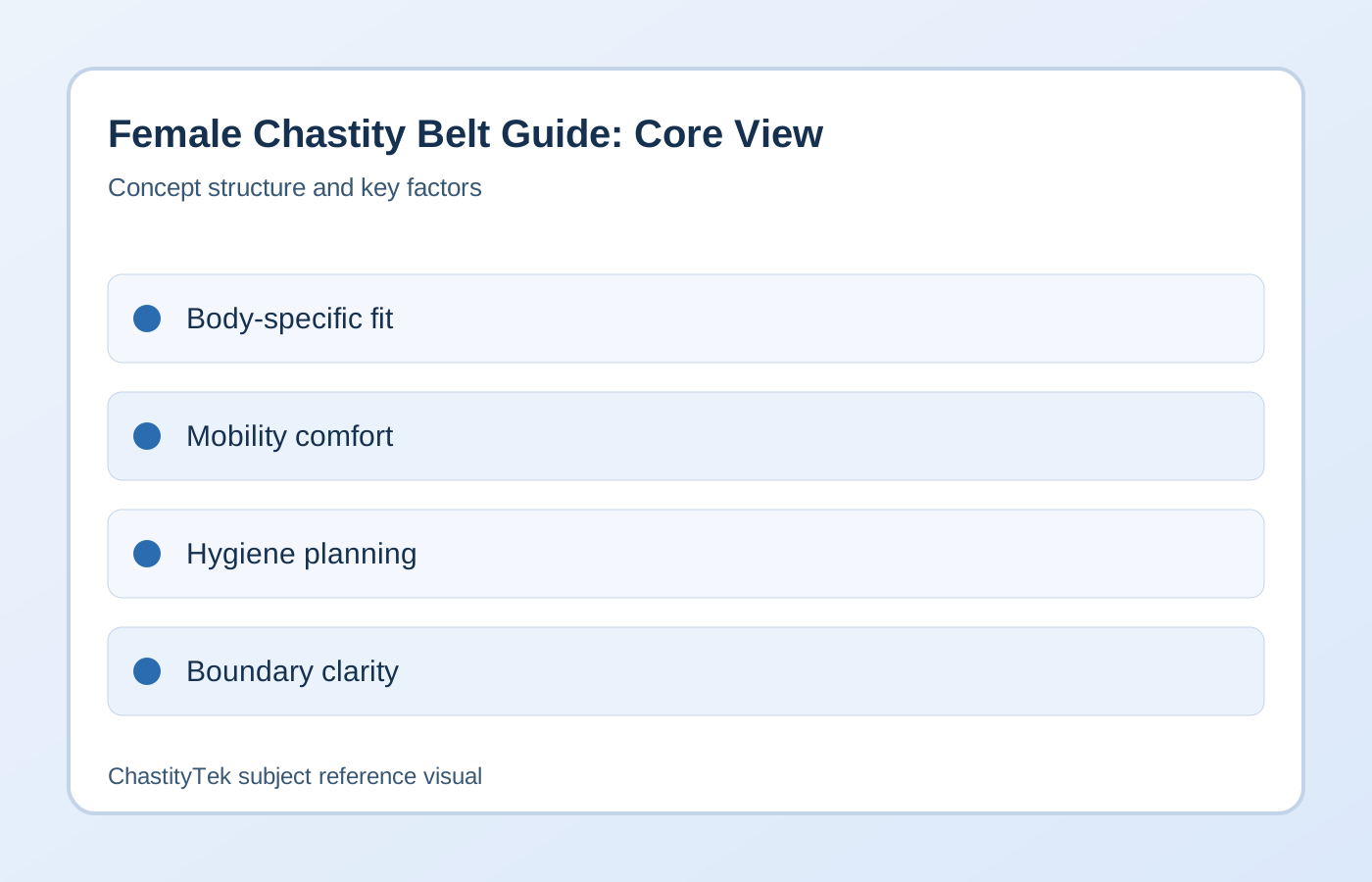
Female-Specific Fit Considerations
Female-oriented restraint setups can vary widely in structure and contact surfaces. Good fit should reduce friction and pressure at sensitive areas while still maintaining intended control.
Fit should be tested in realistic conditions, not only while standing still. Sitting, walking, sleeping, and bathroom routines often reveal issues that short static tests miss.
Comfort and Mobility in Real Routines
A setup that feels fine for 20 minutes can become problematic over longer intervals. Comfort changes with time, movement, and clothing.
This is why profile shape and pressure distribution matter. If one point repeatedly becomes irritated, the design or fit strategy should be adjusted before extending duration.
Hygiene and Skin Management
Hygiene planning is part of the protocol. It should be discussed before lockup and followed consistently.
Practical hygiene planning includes:
- Scheduled cleaning intervals
- Skin checks after each session
- Immediate pause when irritation appears
- Reassessment before increasing duration
Ignoring these basics can turn a workable setup into an avoidable problem.
Consent, Boundaries, and Emotional Safety
Healthy dynamics require explicit consent, not assumption. Partners should define unlock conditions, communication windows, and emergency exceptions in advance.
Emotional check-ins are as important as physical checks. Long-duration control dynamics can affect stress, reassurance needs, and relationship tone.
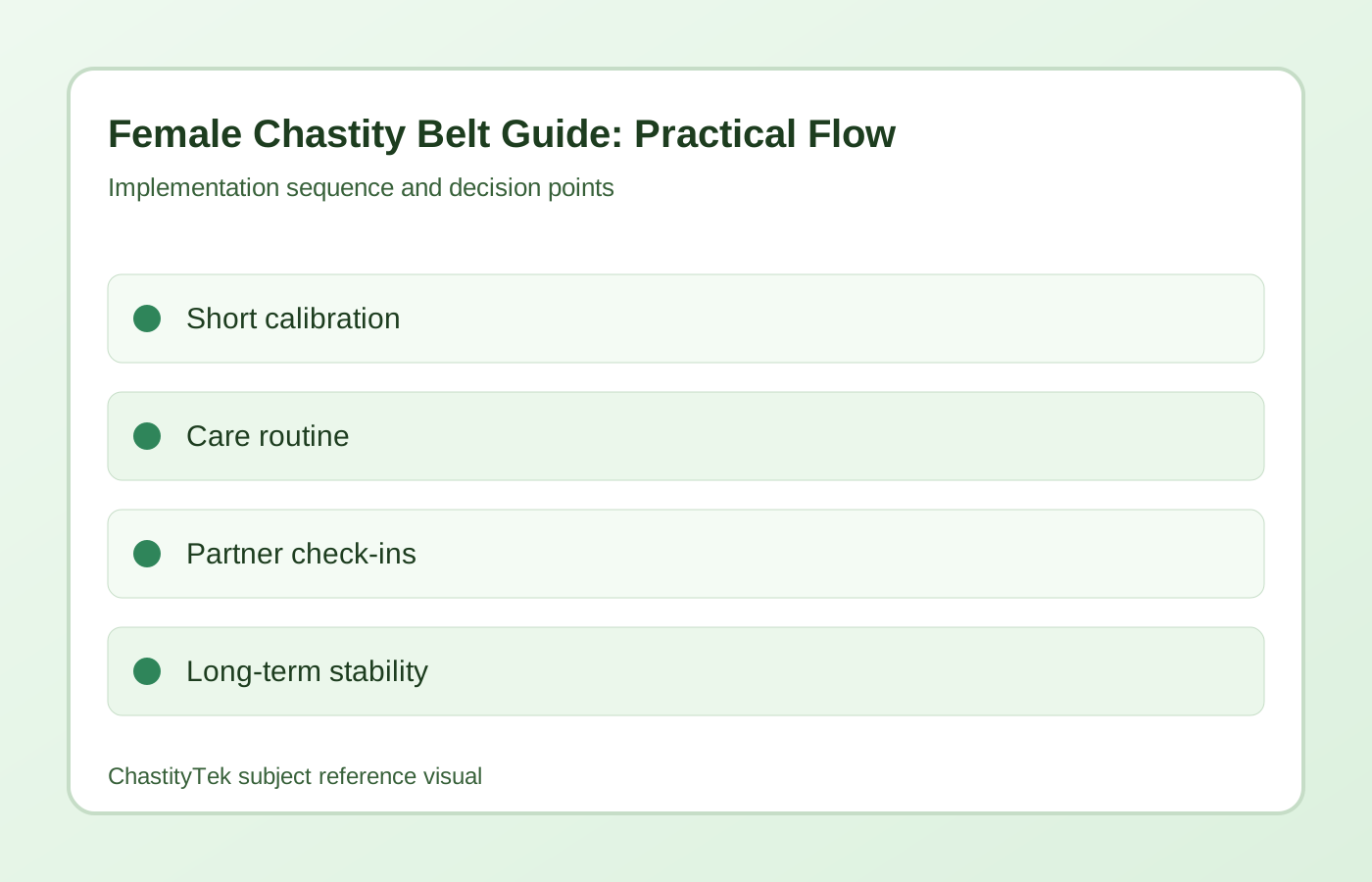
How to Build a Sustainable Routine
Most stable routines begin with short calibration cycles. Each cycle should answer: Did fit stay comfortable? Did hygiene stay consistent? Did communication remain clear?
If the answer is yes, increase can be gradual. If not, adjust first. Sustainable progression is safer and usually more satisfying than forcing longer windows too early.
Common Mistakes
- Jumping to long sessions before fit is validated
- Treating hygiene as optional instead of procedural
- Assuming partner expectations are aligned without explicit discussion
- Ignoring repeated discomfort signals
Frequently Asked Questions
Is female chastity mainly historical?
No. Most modern interest is practical and focuses on consensual routine design.
What is the safest starting point?
Short supervised sessions with clear review and adjustment after each cycle.
How important is communication?
It is essential. Communication quality often determines whether the dynamic remains healthy.
Can one design work for everyone?
No. Body geometry and comfort tolerance vary, so personalization is normal.
What should be read next?
The general "what is" page and the hub are useful for broader context.
Related Chastity Belt Reading
- What Is a Chastity Belt and How Does It Work in Real Life?
- What Is a Male Chastity Belt and How Does It Compare to a Chastity Cage?
- How Is a Chastity Belt Used in BDSM Dynamics?
- What Is the Best Chastity Belt for Men? Fit, Comfort, and Device Choice
Veru One and This Topic
When readers compare female-focused restraint ideas with modern product systems, the practical questions are comfort, accountability, and routine viability. Veru One is usually evaluated through that practical lens.

Use the email form below this page to get launch updates and product availability news.