
In BDSM dynamics, chastity is usually a structure, not just a lock. Hardware can support control, but trust and communication determine whether the dynamic remains healthy and sustainable.
A good protocol balances intensity with care. It defines authority clearly, protects consent, and includes routine review so both physical and emotional outcomes stay stable.
What Chastity Can Represent in Power Exchange
Different dynamics use chastity for different reasons: obedience training, anticipation, ritual, devotion, denial, or focus. Clarifying the purpose helps partners build compatible rules.
When goals are clear, it is easier to measure whether the dynamic is working and to adjust before friction builds.
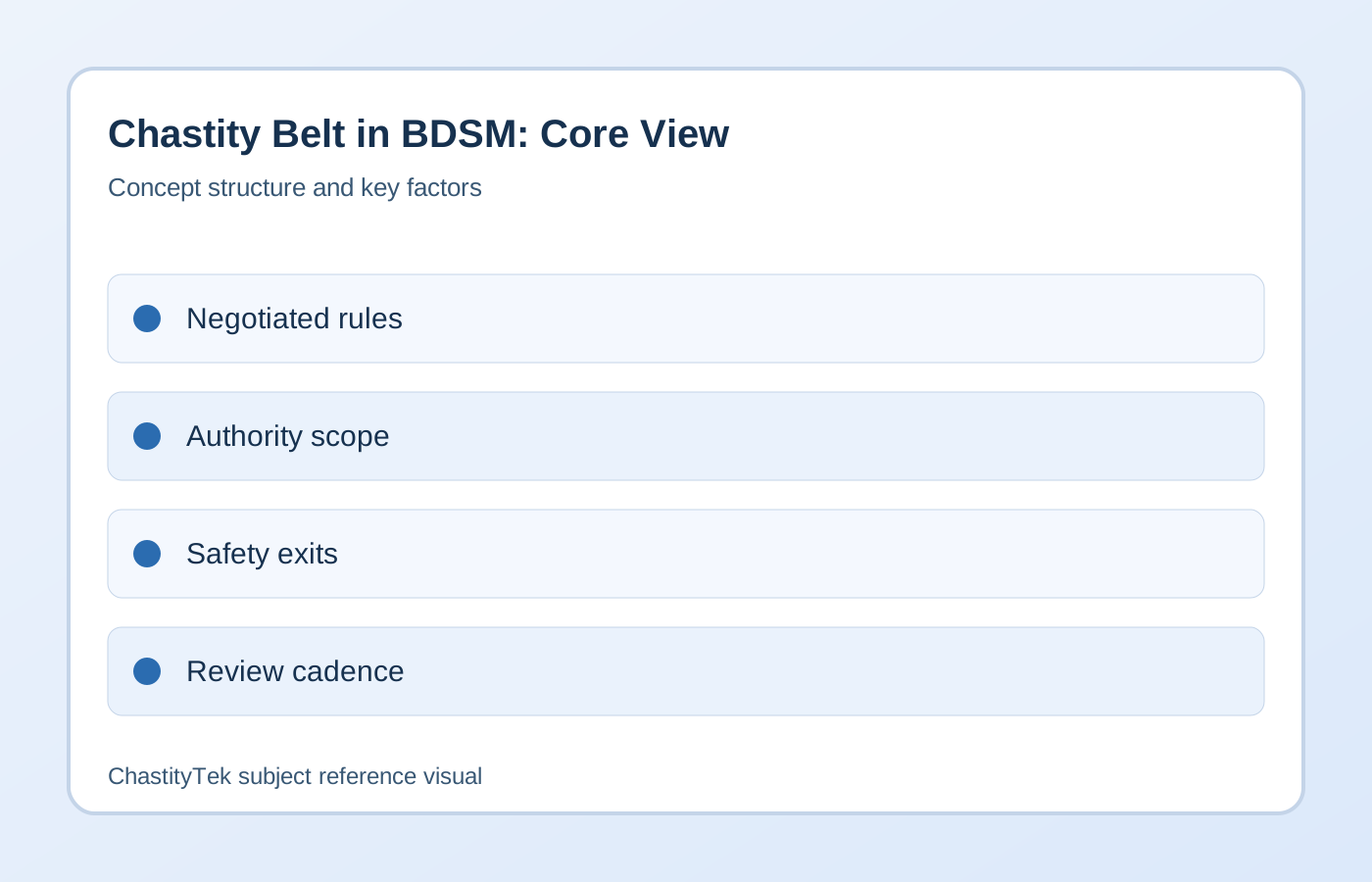
Negotiation Before Lockup
Before any sustained routine, partners should explicitly define:
- Duration boundaries
- Unlock conditions
- Emergency exceptions
- Check-in timing
- Consequences and rewards
This turns assumptions into agreements. Most long-term stability comes from this pre-lock clarity.
Building a Practical Protocol
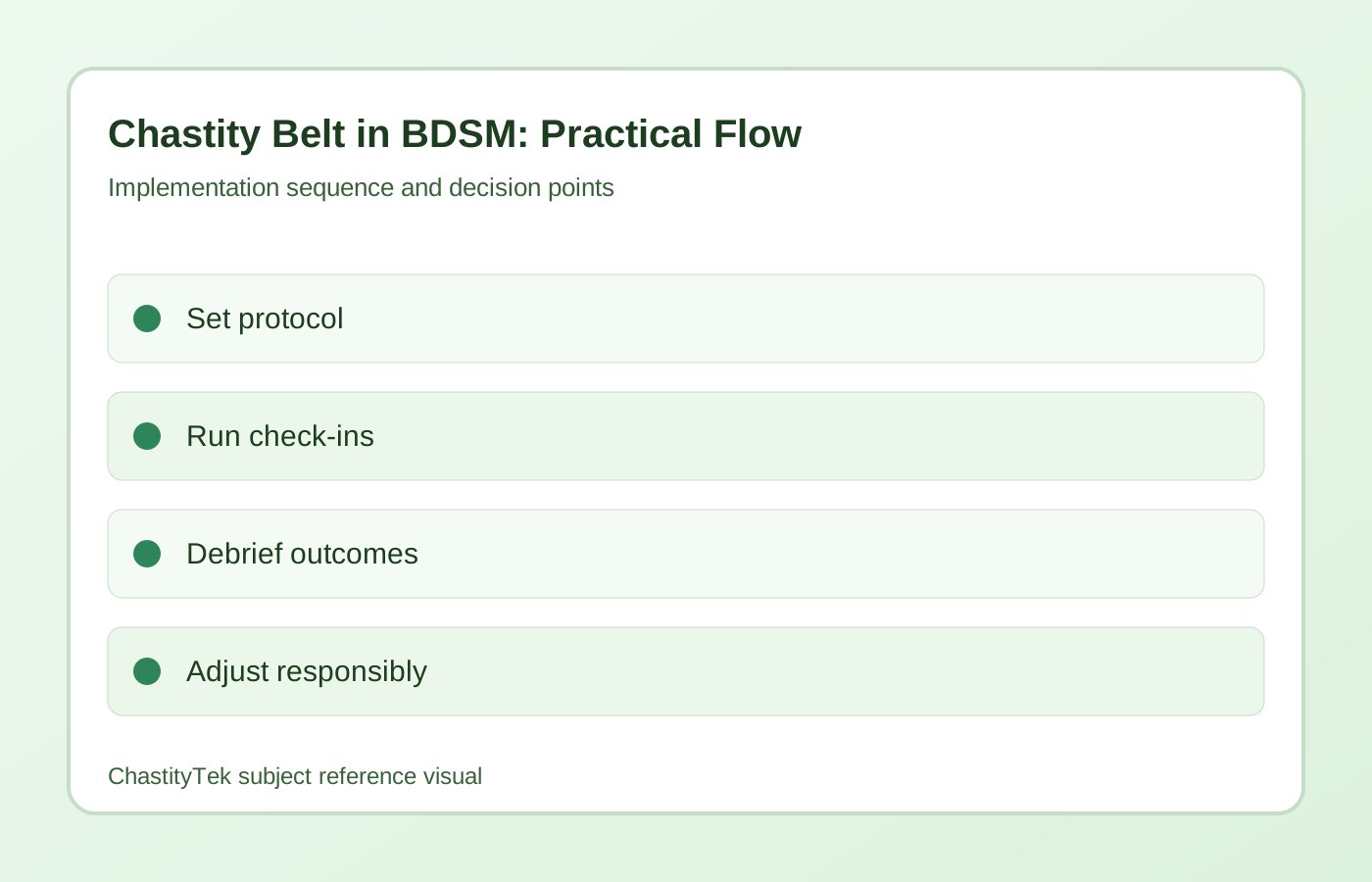
A workable protocol answers practical questions: What happens daily? What gets reported? What triggers review? How are pauses handled?
The more concrete the protocol, the lower the ambiguity. This reduces unnecessary tension and improves trust over time.
Emotional Maintenance and Aftercare
Chastity dynamics can amplify anticipation, frustration, attachment, and vulnerability. Debrief conversations help process those states and keep consent quality strong.
Aftercare is not only post-scene comfort. In longer dynamics, it also includes reassurance, emotional calibration, and periodic reset conversations.
Safety and Escalation Control
Escalation should follow stable cycles, not impulse. If comfort or emotional strain trends negative, pause and adjust rather than forcing continuation.
Sustainable dynamics treat warning signs as useful feedback, not as failure.
Common Mistakes
- Treating role labels as a substitute for explicit negotiation
- Escalating duration too quickly
- Skipping emotional debriefs
- Ignoring physical warning signs in favor of intensity
Frequently Asked Questions
Is chastity BDSM only about denial?
No. It can support ritual, obedience, intimacy focus, and long-form relationship structure.
Do partners need written rules?
Many pairs benefit from writing rules because it reduces confusion and helps review.
How often should check-ins happen?
Frequency depends on intensity and duration, but regular check-ins are essential.
What destabilizes dynamics fastest?
Poor communication and rushed escalation are common destabilizers.
What should readers explore next?
The fit-focused male or female pages are useful next steps.
Related Chastity Belt Reading
- What Is a Chastity Belt and How Does It Work in Real Life?
- How Is Chastity Belt Porn Different from Real Chastity Practice?
- What Is a Male Chastity Belt and How Does It Compare to a Chastity Cage?
- What Is a Female Chastity Belt and How Is It Used Safely?
Veru One and This Topic
In BDSM use, people often evaluate modern devices by how reliably they support protocol consistency and accountability. Veru One is usually discussed in that practical protocol context.

Use the email form below this page to get launch updates and product availability news.