
Updated: February 23, 2026
What Is a Prostate Orgasm (and How Does It Feel)?
A prostate orgasm is a distinct kind of climax triggered by stimulating the prostate—an organ with dense nerve pathways tied into the pelvic nervous system. For many people, it feels less like a quick “peak” and more like deeper, rolling waves that can spread through the body. This guide keeps things science-first, consent-first, and practical—without getting explicit.

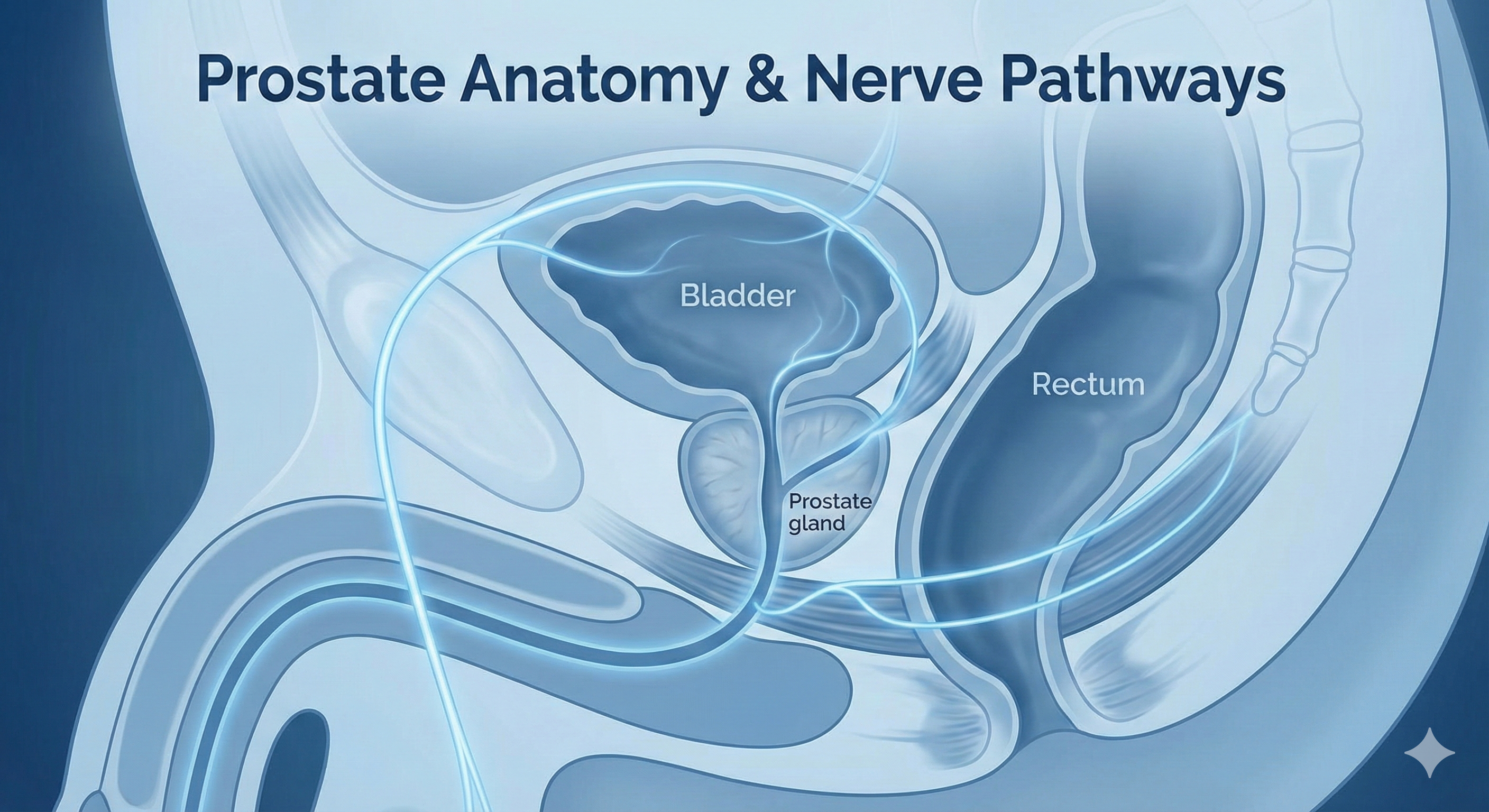
The prostate sits deep in the pelvis and can be part of a broader, whole-body pleasure response.
What is a prostate orgasm, exactly?
Most people grow up with a friction-only model of pleasure: stimulation builds, ejaculation happens, and it’s “done.” But orgasm (a neurological peak experience) and ejaculation (a physical emission/expulsion process) aren’t the same event. Prostate-focused stimulation can create orgasmic states that are sometimes different in timing, intensity, and aftermath—occasionally with minimal refractory “shutdown” compared to what many expect.
Why does a prostate orgasm feel different?
The simplest explanation: nerves. The prostate is surrounded by a rich plexus of nerve tissue connected to pelvic pathways. Stimulating that area can recruit different sensory routes than typical external stimulation. Many descriptions emphasize a more “diffuse” or full-body sensation and a less abrupt ending.
There’s also a brain component. When pleasure is routed through pathways people aren’t used to mapping as “sexual,” the nervous system may interpret the sensation differently—sometimes as more expansive, sometimes as more emotional, sometimes as more meditative. If you’ve ever noticed how breathwork can change stress sensations, you already understand the general idea: the brain and body are one loop.
Internal vs. external prostate stimulation (high-level, non-explicit)
There are two broad categories people discuss:
- Internal stimulation : access via the rectum using body-safe methods (often discussed in clinical, educational terms).
- External stimulation : pressure and massage through the perineum (the area between genitals and anus), which can indirectly affect structures near the prostate.
The best results tend to come from relaxation, patience, and clear communication—not intensity. If you feel anxious, tense, or rushed, your pelvic floor can tighten and make the experience uncomfortable rather than pleasurable.
For many couples, the real upgrade is communication, safety, and curiosity—not “doing more.”
Safety checklist (this matters more than techniques)
Because rectal tissue is delicate and doesn’t naturally lubricate like other anatomy, safety basics are not optional. If you take only one thing from this article, take this list:
- Go slow and stop if anything feels sharp, painful, or “wrong.”
- Use plenty of body-safe lubricant (and use compatible materials if barriers are involved).
- Hygiene and barriers : keep nails trimmed/smooth; use body-safe, clean tools; reduce contamination risk.
- Avoid stimulation if you might have an acute infection (fever, significant pelvic pain, burning urination), and consider medical guidance.
- Don’t “push through” discomfort . Comfort is the pathway; force is the enemy.
Prostate health, medical cautions, and a smart mindset
The prostate is also a medical organ: it commonly enlarges with age and can affect urinary flow. So it’s wise to treat prostate exploration like any other wellness practice: informed, measured, and respectful of your body’s signals.
A practical, low-drama approach: if you have new pelvic pain, urinary symptoms, blood, fever, or a history of prostate issues, prioritize medical advice. And if you ever feel lingering numbness or abnormal discomfort after any kind of play, treat it like an injury—rest and seek help if it doesn’t resolve.
Why subcultures talk about prostate orgasms so much
The prostate orgasm topic shows up across very different communities for the same reason: it challenges the “only one way” narrative. Some people frame it as sexual wellness and exploration. Some emphasize spiritual breathwork traditions. Others integrate it into consensual power-exchange dynamics where pleasure is intentionally routed away from friction-only habits. You don’t need any particular identity or “scene” to learn from the best part of those cultures: communication, safety, and intention.
Veru One Q&A (tying it together)
If your goal is better intimacy, the real unlock is usually clarity : what you want, what you don’t, and what you’re curious about. That’s where devices and structure can help—when they’re built around consent and comfort.
What is Veru One?
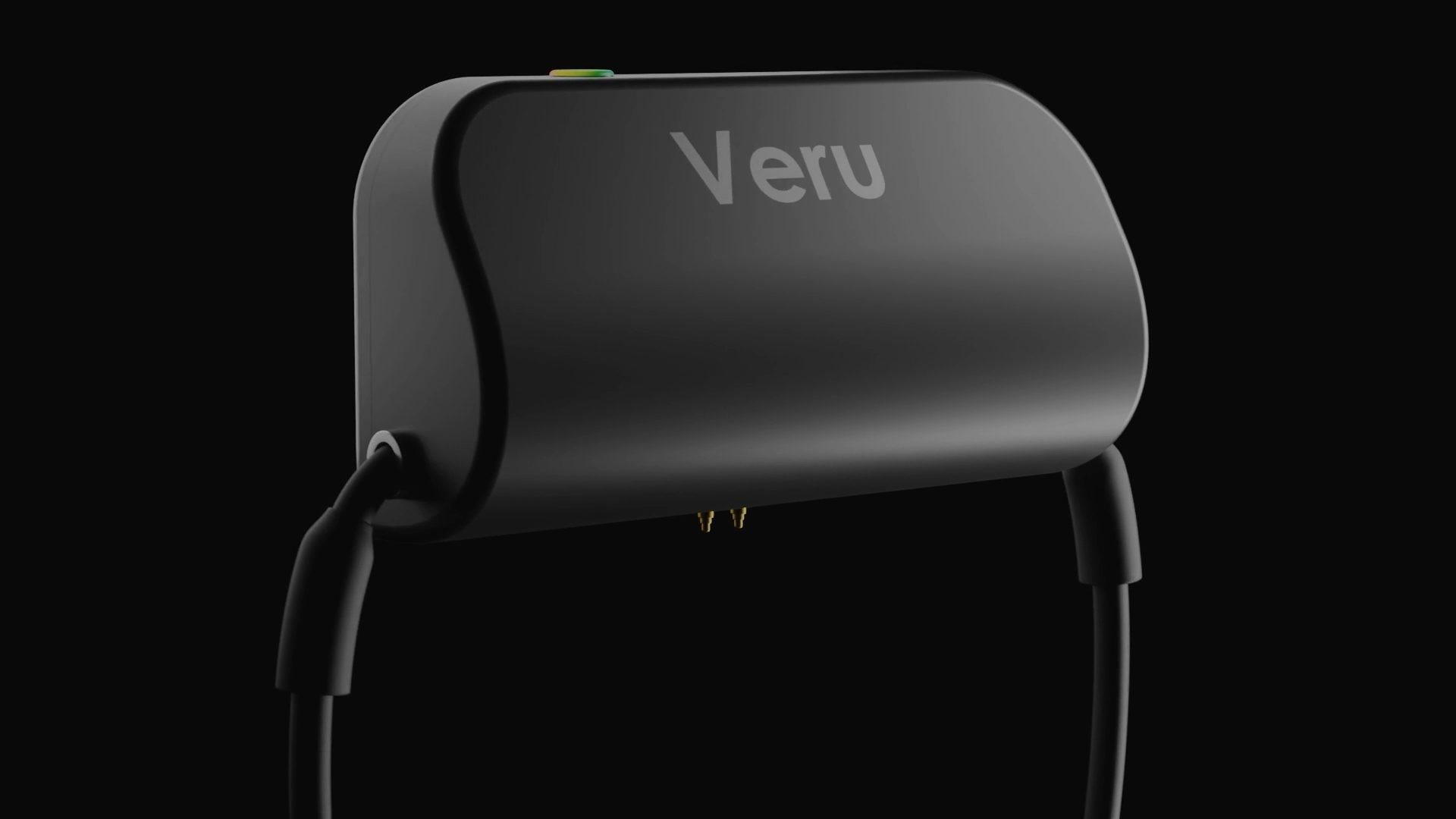
Veru One is a modern chastity device concept designed to prioritize comfort, discretion, and a consent-first experience. (No gimmicks—just the idea that wearability and trust matter.)
How does Veru One relate to prostate orgasm exploration?
Some couples broaden pleasure beyond friction-only routines. In consensual chastity dynamics, partners sometimes explore alternate pathways—like relaxation, pelvic floor training, and (optionally) prostate-focused intimacy. The link is not “you must do X,” but rather: you can design intimacy intentionally.
Is Veru One only for kink dynamics?
Not necessarily. Many people simply want clearer boundaries, better communication, and a device that doesn’t feel like a punishment to wear.
Is Veru One private?
Privacy and discretion should be non-negotiable. Any sharing, tracking, or control should be opt-in and transparent to the wearer—because consent is the foundation.
Where can I learn more?
Visit the Veru One page (and consider bookmarking this article if you’re exploring prostate orgasms as part of a wider, healthier intimacy toolkit).
Educational content only; not medical advice. If you have pelvic pain, fever, urinary burning, blood, or known prostate conditions, talk with a qualified clinician before attempting prostate stimulation.
Veru One and This Topic
Prostate-pathway exploration is most effective when safety and body feedback are treated as primary data.
Use the email signup form below this page for launch updates and availability notifications.