
Updated 2026-02-23
What Is Post Orgasm Torture? POT Explained (Science, Safety & Ruined Orgasms)
Post orgasm torture (POT) is a consensual kink dynamic where stimulation is deliberately continued for a short window after orgasm—when the body can be at its most hypersensitive. This guide explains what it is, why it feels so intense, how the “ruined orgasm” variant works, and how to approach it with consent and care.
Content note: adult topic (18+). The information below is non-explicit and focused on consent, communication, and harm reduction.
On this page
- What is post orgasm torture (POT)?
- Why does it feel so intense after orgasm?
- Post orgasm torture vs forced orgasm
- What’s happening in the brain during POT?
- Why do people enjoy post orgasm torture?
- The ruined orgasm variant
- How to talk about it with a partner
- Safety, consent, and aftercare
- Where Veru One fits
- FAQ: Veru One
What is post orgasm torture (POT)?
Post orgasm torture (sometimes written as post-orgasm torture ) describes a consensual BDSM practice where stimulation is maintained immediately after climax, rather than allowing the body’s normal “come down” period. The name reflects the contrast: touch that felt good seconds earlier can become suddenly too intense, ticklish, or painful—by design, and only within limits you both agreed to.
This is also where the “consensual” part matters most. Kink is not a loophole for ignoring boundaries. The practice only exists ethically when both people have explicitly agreed, can stop it instantly, and have a shared plan for care afterward.
Why does it feel so intense after orgasm?
Orgasm is a major neurological event. Immediately afterward, many people enter a refractory phase where arousal drops and touch can feel unusually sharp or overwhelming. Because the post-climax window often includes engorged tissue and a lowered threshold for discomfort, continued stimulation can cross from pleasure into “too much” quickly.
Post orgasm torture vs forced orgasm
People often mix up post orgasm torture with “forced orgasm,” but they’re not the same. Forced orgasm usually aims for repeated climaxes by keeping stimulation going. POT, by contrast, focuses on the hypersensitive period after orgasm.
Anatomy matters here. Some bodies can cycle back into pleasure quickly; others experience a strong “refractory wall,” where a second orgasm isn’t really available in the moment. When couples treat these as different goals—multiple orgasms versus post-orgasm hypersensitivity—it becomes much easier to negotiate what you actually want.
What’s happening in the brain during POT?
During orgasm and the moments after, the brain shifts which regions are most active. Some research discussed in your PDF describes reduced activity in parts of the prefrontal cortex—regions linked to executive function and inhibition—while other areas involved in raw sensation remain highly engaged.
In lived experience, people often describe this as: the body is loud, the mind is quieter, and sensation lands harder. For some, this can feel like entering “subspace,” an altered, hyper-present state where time feels different and the intensity is strangely calming once it ends.
Why do people enjoy post orgasm torture?
For most practitioners, the appeal isn’t “pain for pain’s sake.” It’s the psychology: surrender, power exchange, and the intense contrast between release and immediate sensitivity. Because the body often wants to pull away after orgasm, continuing stimulation can create a feeling of helplessness or forced vulnerability—again, only when that’s consensually negotiated.
When a scene is well-built, the intensity can also feel cathartic: a clean break from everyday thinking into pure sensation. Some couples also use POT as a “punishment/reward” language inside a larger agreement, where the point is structure and accountability—not harm.
The ruined orgasm variant: orgasm, then immediate stop
A common adjacent concept in orgasm-control dynamics is the “ruined orgasm.” The idea is to bring someone to the point of inevitability and then stop stimulation right as climax begins. The body may release, but the usual feeling of satisfaction doesn’t fully arrive.
This is the variant you asked to include: the man is brought to orgasm and touching ceases immediately , which can leave him feeling “unfinished” and sometimes still keyed up or aroused—because the psychological resolution never quite lands. In long-term orgasm control or chastity play, ruined orgasms are sometimes paired with post orgasm torture to deepen the contrast between “release” and “denial.”
How to talk about post orgasm torture with a partner
If you’re curious, treat the conversation like you would any other intense topic: slow, specific, and pressure-free.
- Start with the “why.” “I’m curious about the contrast and power dynamic,” not a list of acts.
- Name boundaries up front. Duration, language, and any body areas that are off-limits.
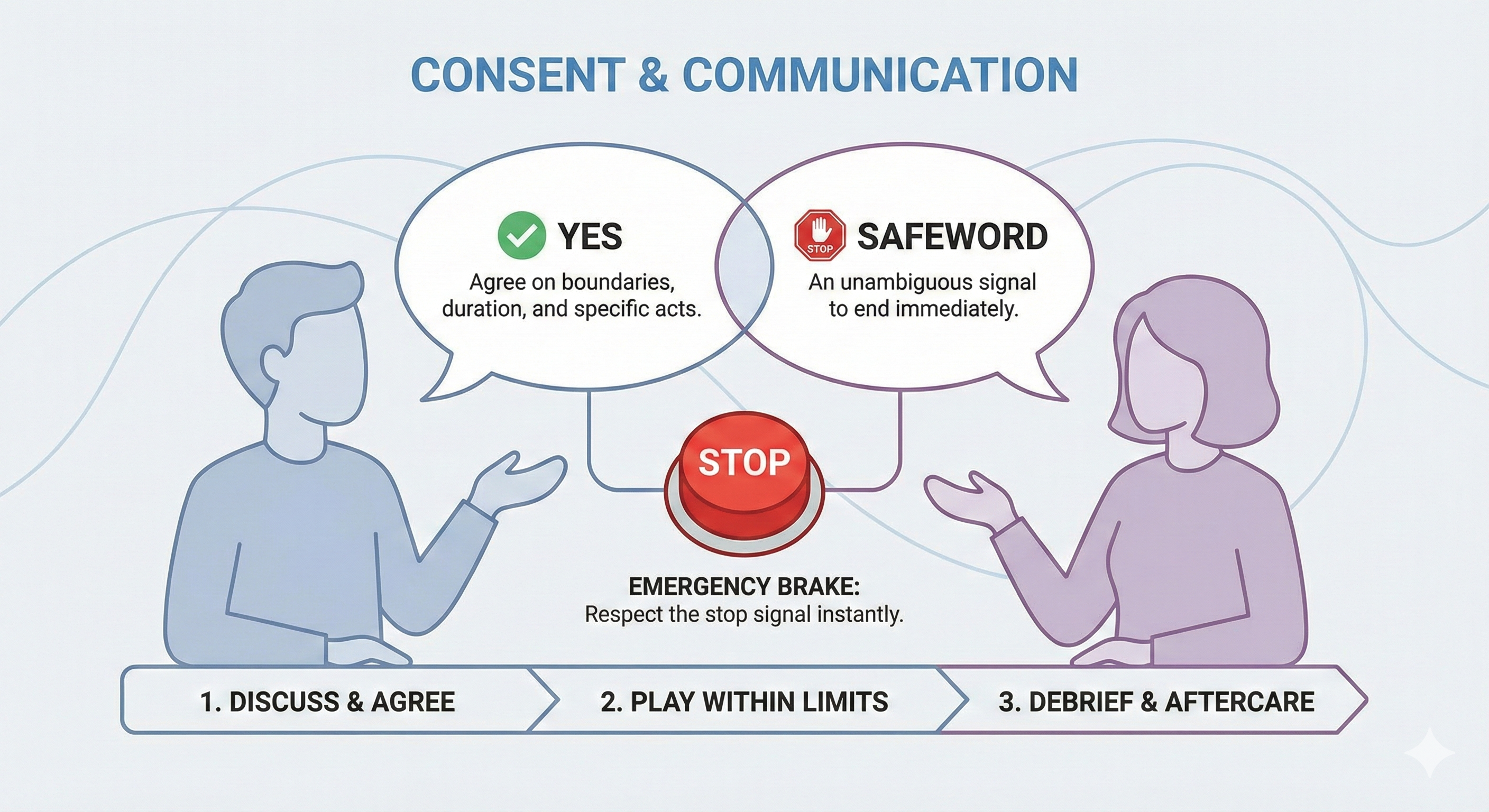
- Decide how to stop. A safeword isn’t a vibe; it’s an emergency brake. Add a nonverbal signal too.
- Debrief after. What felt good? What was too much? What do you change next time?
Safety first: consent, communication, and aftercare
Because post orgasm torture intentionally pushes a sensitive moment, safety practices are not optional. Many kink communities use frameworks like SSC (Safe, Sane, Consensual) and more “risk-aware” models such as RACK and PRICK that emphasize informed consent and shared responsibility.
Practical safety isn’t about giving a recipe; it’s about building a container:
- Talk first. Agree on what “yes” means today, what “no” means, and what to do if someone freezes.
- Use an unambiguous safeword. Many couples use a color scale. When it’s used, everything stops.
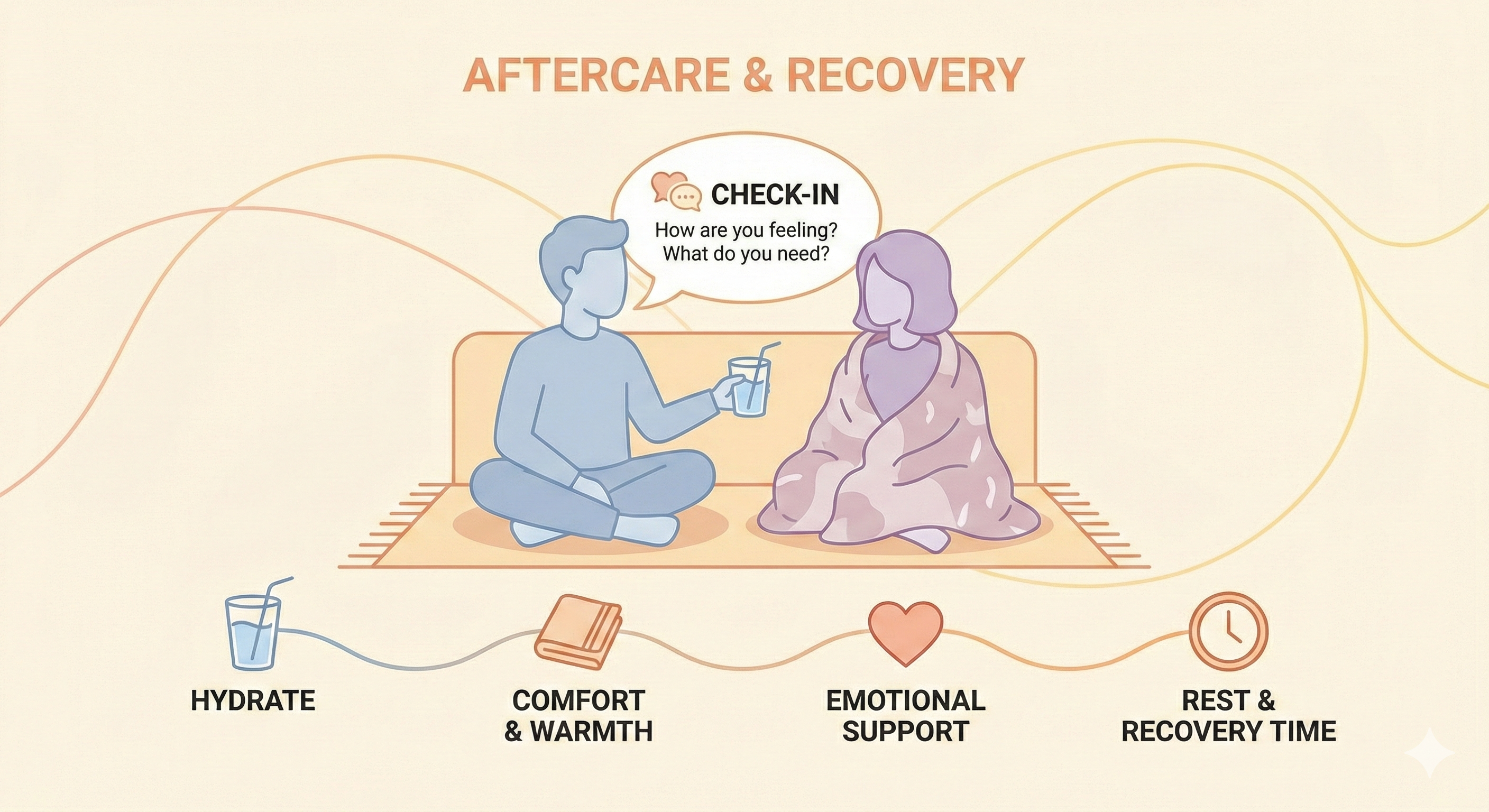
- Plan aftercare. Intense scenes can create a “sub drop” afterward—mood swings, shivering, sadness, or volatility.
- Respect the body. If there’s numbness, discoloration, persistent pain, or irritation, stop and reassess.
Where Veru One fits into consent-based orgasm control
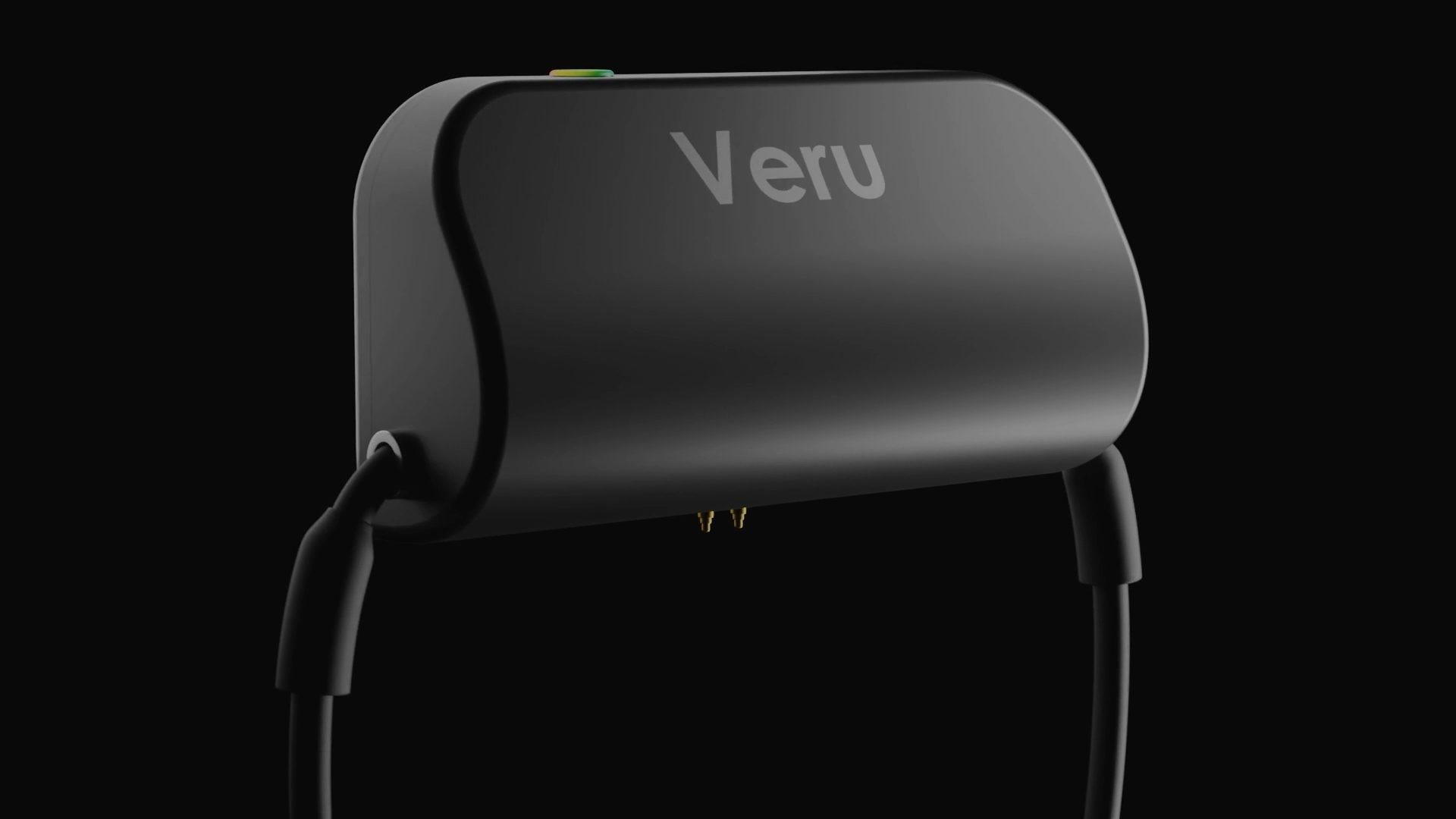
If you’re exploring orgasm control, the practical challenge is often less about ideas and more about logistics: comfort, discretion, and staying aligned with your partner’s boundaries in real life. Veru One is designed around the reality that many people want a chastity device that can be worn comfortably in more situations—without turning daily life into a constant adjustment.
Used responsibly, devices can support clear agreements (who controls access, what counts as “play,” and when privacy matters) and make the dynamic easier to sustain without escalating intensity. The goal isn’t to “push harder.” The goal is to keep consensual control stable, predictable, and safe.
FAQ: Veru One (quick Q&A)
What is the Veru One?
Veru One is a next-generation male chastity device concept focused on comfort, discretion, and partner-led control.
Is Veru One meant for post orgasm torture?
No. Post orgasm torture is a scene choice. Veru One is designed for long-term orgasm control and consent-based power exchange; what you do in a scene is separate from what you wear day-to-day.
Can Veru One be worn in public?
Discretion is a core design goal. Always follow local laws and your own comfort.
How do partners keep it safe?
Start with clear agreements, safewords for any scene play, and a commitment to aftercare and check-ins—especially after intense experiences.
Where can I learn more?
Check the Veru One updates page on your site for the latest timeline, safety notes, and product details.
Medical note: this article is educational and not medical advice. If you experience ongoing pain, numbness, discoloration, or injury, stop and consult a qualified clinician.
Veru One and This Topic
Post-orgasm intensity requires tighter check-ins, clearer stop rules, and stronger aftercare than most standard scenes.
Use the email signup form below this page for launch updates and availability notifications.