
Published: February 23, 2026 • ~6 min read
What Is Orgasm Torture ? A Consent-First Guide to Intensity, Safety, and Chastity Play
“Orgasm torture” sounds extreme, but in healthy kink relationships it’s a negotiated form of orgasm control—climax is deliberately delayed, intensified, or denied to create stronger arousal, deeper focus, and playful power exchange. The important part is not the edgy label; it’s consent, communication, and clear safety rules.
Quick note: This is non-explicit education for consenting adults. If anything feels pressuring, unsafe, or unwanted, stop immediately.
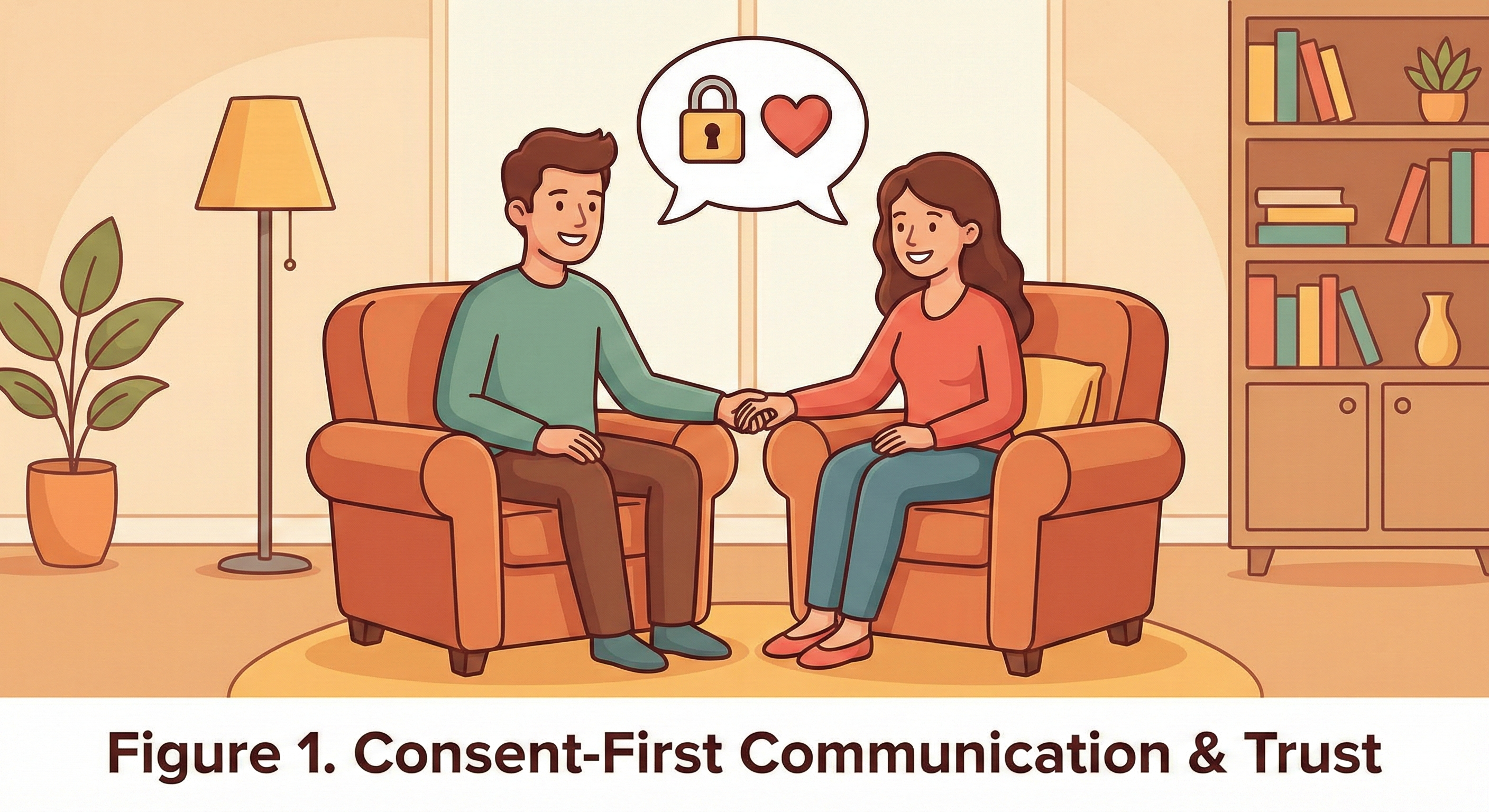
Consent-first relationships are the foundation of safe orgasm torture play.
Table of contents
- Orgasm torture vs. orgasm coercion
- Why it can feel so intense
- Common orgasm torture styles
- The keyholder role
- A consent-first safety checklist
- How to talk about it
- Veru One Q&A
Orgasm torture (consensual) vs. orgasm coercion (abuse)
Start with a bright line: consensual orgasm torture is chosen, negotiated adult play. Orgasm coercion is pressure—pushing someone to climax by implying negative consequences if they don’t. That isn’t kink; it’s a violation of autonomy. If someone feels obligated, afraid, guilted, or “at fault” for not orgasming, that’s a stop-sign, not a scene.
Healthy orgasm torture feels like a game you can pause at any time, without punishment for tapping out. Ongoing consent is the whole point.
Why orgasm torture can feel so powerful
Many orgasm torture techniques work because pain, pleasure, and orgasm share overlapping neural “wiring.” Intense sensations can flood the body with adrenaline, while the brain may release endogenous opioids (endorphins) that blunt pain and amplify euphoria. In BDSM communities this can produce “subspace,” an altered, trance-like focus where cognition narrows to sensation.
The key player is the autonomic nervous system. When stimulation is intense, the sympathetic branch (“fight or flight”) ramps up—heart rate and arousal markers increase—while the body’s chemistry can swing between stress and reward. When stimulation stops, some people experience a neurochemical “drop,” which is why aftercare matters as much as the scene itself.
Common orgasm torture styles couples explore
1) Sensory overstimulation
This is “too much of a good thing” on purpose. Overstimulation can keep stimulation going after a climax, when the body would normally want a refractory break. A safer approach is to treat intensity like a dial: use short bursts, check in often, and stay curious about what the body is actually saying in the moment.
2) Technological intensity (e-stim)
Erotic electrostimulation (e-stim) uses purpose-built, battery-operated devices to deliver controlled electrical pulses. Done safely, it can create unique sensations and even hands-free orgasms for some people. Done unsafely—especially with homemade or mains-powered devices—it can be genuinely dangerous.
E-stim rules are strict: never route current across the chest/head, and avoid it if someone has heart conditions, pacemakers, is pregnant, or has epilepsy. If you’re new, think “skill” before “intensity”: learn equipment basics and stop procedures before you chase stronger sensations.
3) Long-term denial and chastity dynamics
Where overstimulation is “acute,” chastity is “chronic.” A chastity device blocks self-stimulation and turns orgasm into a privilege controlled by a partner (often called a keyholder). Denial can amplify desire and redirect attention toward the keyholder’s pleasure, but it requires good fit, hygiene, and emotional check-ins.
If a device is too tight it can compress nerves or restrict circulation; if too loose it can chafe or slip. Extended wear also requires daily cleaning and drying.
Orgasm torture is only “hot” when the safety system is real.
The keyholder role (and why it’s more than “holding a key”)
In many orgasm torture and chastity dynamics, the dominant partner isn’t just “the one in charge.” They’re also the safety manager: they schedule check-ins, notice mood changes, and make sure the play stays caring. Whether the dynamic is gentle and supportive or more structured, good keyholding is active empathy—listening, adjusting, and balancing teasing with reassurance so the relationship feels secure.
A consent-first safety checklist
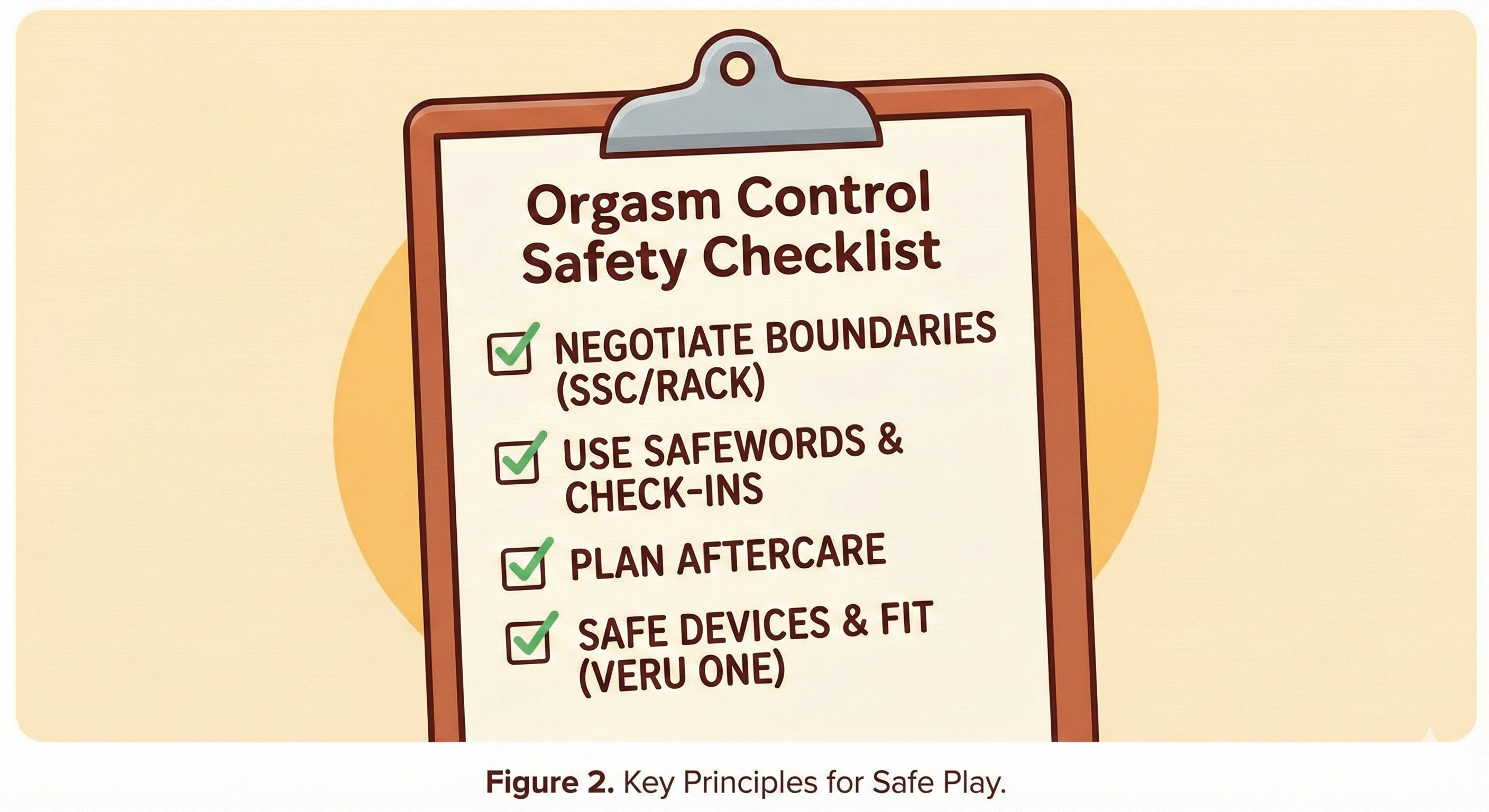
- Use an explicit framework: SSC (Safe, Sane, Consensual) or RACK (Risk-Aware Consensual Kink).
- Negotiate boundaries: hard limits, soft limits, and “green/yellow/red” intensity levels.
- Use safewords: a pre-agreed term that stops roleplay and restores real-world communication.
- Plan aftercare: warmth, water, quick calories, reassurance, plus a short debrief.
- Don’t improvise electricity: only use equipment designed for erotic electrostimulation, and keep currents below the waist.
- For chastity: prioritize fit + emergency access; remove immediately for numbness, discoloration, or persistent pain.
How to talk about orgasm torture without awkwardness
Don’t lead with the hardest fantasy. Lead with your intention: “I want to experiment with orgasm control as a fun, consensual game. I care about safety and your comfort.” Then propose a low-stakes first session: pick a time limit, choose a safeword, and decide what “success” means (often it’s simply learning what feels good).
Keep the debrief simple: What was great? What was too much? What should we try next time? If either partner feels uncertain, scale down: shorter sessions, lighter intensity, more check-ins, and clearer off-ramps.
Veru One Q&A (and how it ties it all together)
Is the Veru One only for extreme orgasm torture?
No. Most couples use the Veru One for playful orgasm control and anticipation, not extreme scenes.
Can a chastity device improve intimacy?
It can—if both partners genuinely want it. Many dynamics shift attention toward communication and the keyholder’s pleasure.
How do we keep chastity safe?
Measure carefully, keep a hygiene routine, and remove the device immediately for numbness, discoloration, or pain.
What’s the simplest way to start?
Try a short, low-pressure “lock + tease” window with clear boundaries and a planned end time.
Do we still need safewords if we’re “just playing”?
Yes. Safewords and check-ins protect trust, especially when emotions and arousal run high.
Final thought: Orgasm torture is best understood as consent-first orgasm control: a set of tools (from pacing to chastity to tech) that couples use to intensify connection. When the framework is ethical and the gear is safe, the experience isn’t about harm—it’s about trust, attention, and shared fun.
Want more? See Veru One or our male chastity guide.
Veru One and This Topic
Consent-first structure is the core requirement for any orgasm-torture dynamic to remain safe and sustainable.

Use the email signup form below this page for launch updates and availability notifications.