
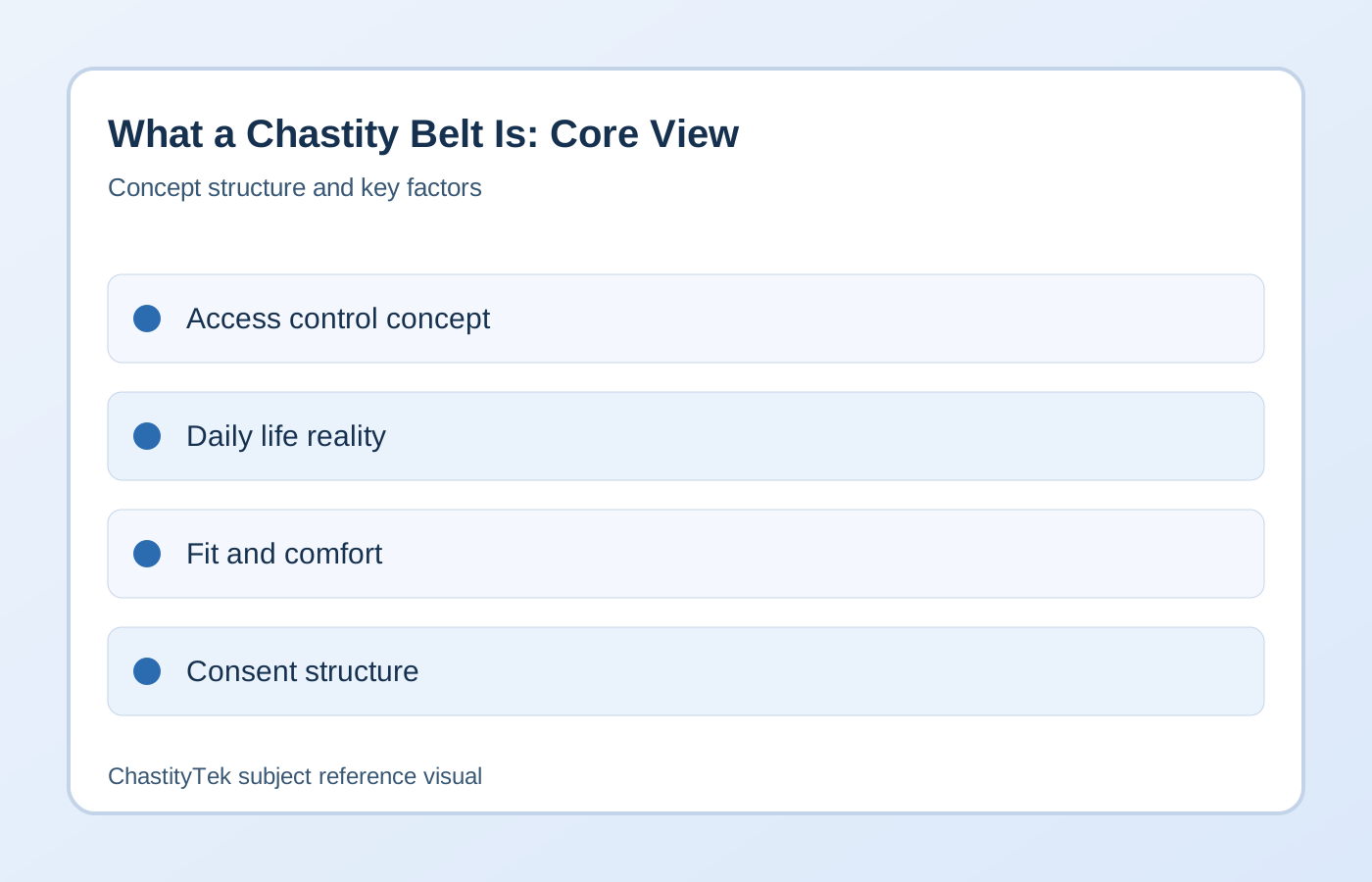
A chastity belt is best understood as a controlled-access system, not just a physical object. In practice, it combines hardware, rules, and communication. The hardware can restrict access, but the routine only works when consent and structure are clear.
People usually ask this question because they want reality, not mythology. They want to know how it functions day to day, what determines comfort, and what makes a setup sustainable.
What the Device Concept Actually Does
The core function is straightforward: limit access until defined release conditions are met. In consensual dynamics, those conditions are agreed in advance and reviewed over time.
In other words, the device is not the whole system. The real system includes rules, expectations, and check-ins between the people involved.
How It Works in Daily Life
Real-life use is less dramatic than media portrayals. People still work, commute, sleep, and manage normal routines. That means practical factors become important quickly:
- How it feels while sitting or walking
- How discreet it is under clothing
- How easy it is to clean and maintain
- How stable comfort remains over time
A setup that fails these basics usually does not last, regardless of how secure it seems during short tests.
Fit, Comfort, and Progression
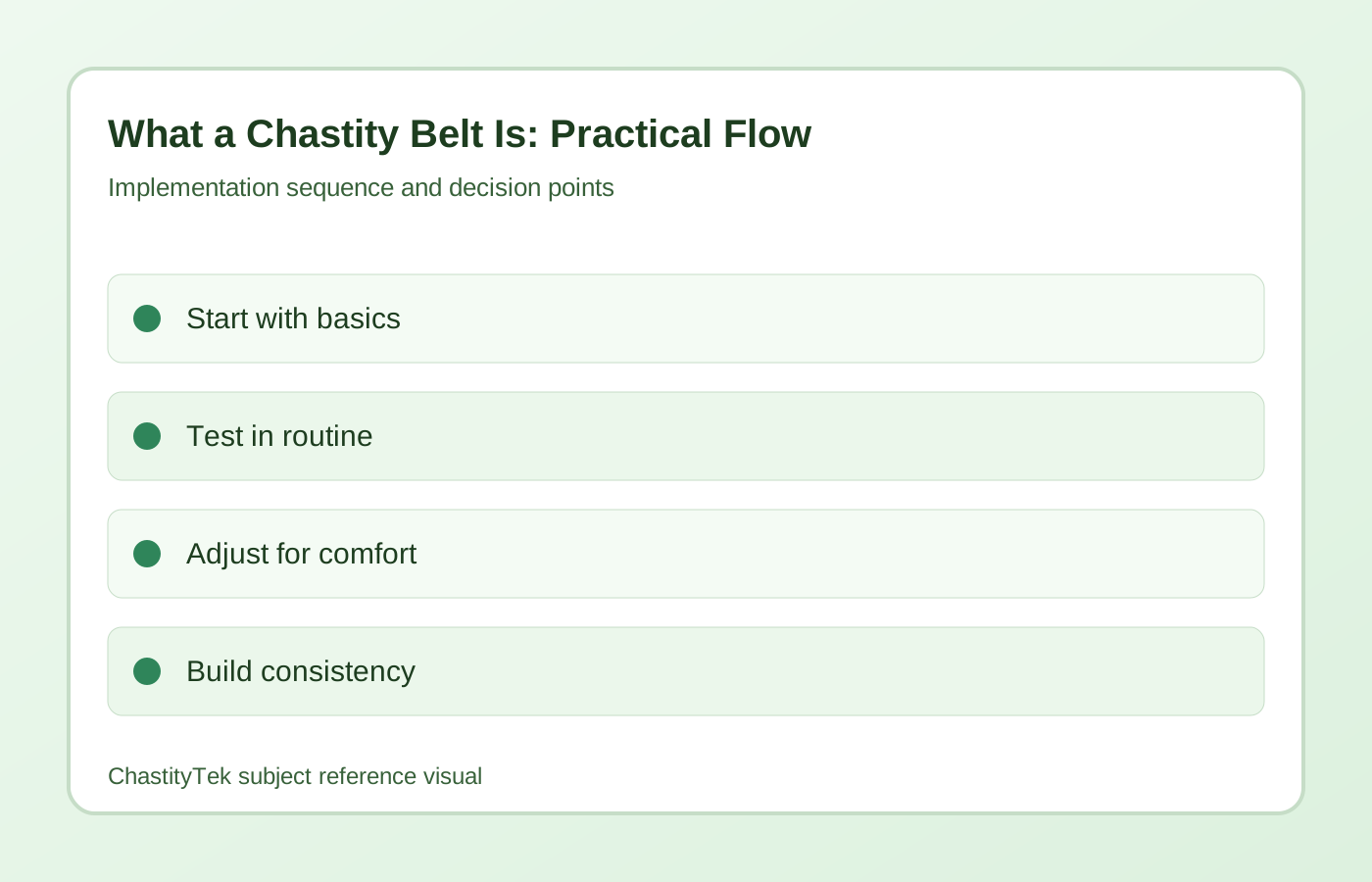
Fit is the biggest practical variable. Too much pressure, poor contact geometry, or insufficient clearance can cause recurring issues. Good fitting is usually iterative rather than one-time.
A safer pattern is short sessions first, then gradual duration increases only after comfort is repeatable. This gives users real data before they commit to longer routines.
Consent and Communication as Core Infrastructure
Healthy chastity use depends on explicit consent and clear boundaries. Before lockup, people should agree on:
- Duration expectations
- Unlock conditions
- Emergency exceptions
- Communication cadence
These agreements reduce uncertainty and protect trust. Without them, even good hardware can lead to conflict.
Hygiene and Safety Reality
Any long-duration arrangement needs routine care. Hygiene planning is part of the protocol, not an optional detail. If cleaning is difficult, routine adherence drops and issues increase.
Persistent discomfort, irritation, or numbness should trigger pause and adjustment. Sustainable progress is better than forcing duration through warning signs.
Real Practice vs Fantasy Expectations
Fantasy often compresses time and omits practical constraints. Real practice is slower and more deliberate. It prioritizes consistency over intensity.
That difference is not a limitation. It is why real routines can remain healthy and stable over longer periods.
Frequently Asked Questions
Is a chastity belt always worn long term?
No. Many people use planned short windows and only extend duration when comfort and communication stay strong.
What matters most in real-life use?
Fit quality, hygiene access, communication clarity, and realistic progression.
Can it be discreet in normal life?
Yes, if profile and fit are selected for movement and clothing.
What causes most failures?
Poor fit, rushed escalation, and weak communication are the most common causes.
What should readers explore next?
The male and female fit guides are the strongest next step after this page.
Related Chastity Belt Reading
- What Does Chastity Belt Mean? Clear Definition, Context, and Modern Use Cases
- What Is a Female Chastity Belt and How Is It Used Safely?
- What Is a Male Chastity Belt and How Does It Compare to a Chastity Cage?
- How Is Chastity Belt Porn Different from Real Chastity Practice?
Veru One and This Topic
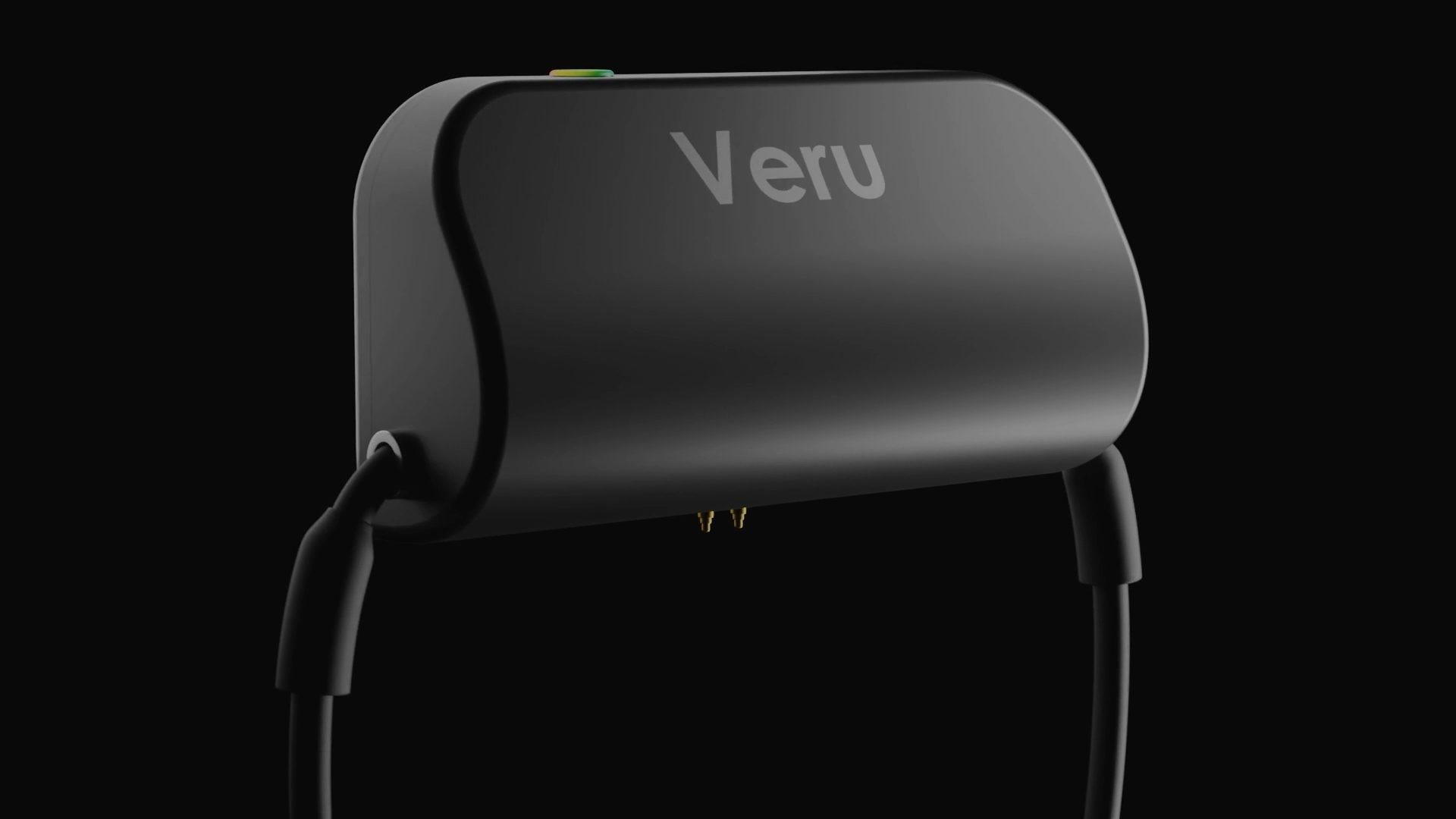
After people understand how real routines work, they usually compare devices by comfort and accountability rather than by marketing language. Veru One is commonly evaluated in that practical comparison phase.
Use the email form below this page to get launch updates and product availability news.