

Best Sissy Chastity Cage Materials: Bio-Resin vs Steel vs Silicone Compared
The material of your chastity device significantly affects comfort, hygiene, aesthetics, and wearability. This guide compares the most common materials to help you make an informed choice for your sissy chastity practice.
← Return to The Complete Guide to Sissy Chastity
Quick Comparison Table
| Factor | Bio-Resin | Stainless Steel | Silicone | 3D-Printed |
|---|---|---|---|---|
| Weight | Very Light | Heavy | Light | Light |
| Temperature | Body-adaptive | Cold initially | Body-adaptive | Neutral |
| Hygiene | Good | Excellent | Good | Poor |
| Sterilization | Limited | Full (boiling) | Full | Very Limited |
| Colors Available | Many (inc. pink) | Silver only | Many | Various |
| Discretion | Excellent | Poor | Excellent | Good |
| Durability | Good | Excellent | Moderate | Variable |
| Price Range | $$-$$$ | $-$$$ | $-$$ | $ |
| Best For | Extended wear, aesthetics | Security, sterilization | Comfort, flexibility | Testing, budget |
Bio-Resin

Bio-resin is a specialized medical-grade plastic developed specifically for body contact. It's become the premium choice for many chastity practitioners.
What Is Bio-Resin?
Bio-resin is a proprietary blend (each manufacturer has their own formula) of biocompatible plastics designed to be:
- Non-porous (won't harbor bacteria in the material itself)
- Hypoallergenic
- Body-temperature adaptive
- Lightweight yet durable
Pros
- Lightweight: Significantly lighter than metal, reducing drag and discomfort during extended wear
- Temperature: Warms to body temperature quickly, comfortable from first contact
- Aesthetics: Available in pink, clear, and other colors ideal for sissy chastity aesthetics
- Smooth Surface: Highly polished, reducing friction and irritation
- Discretion: Won't trigger metal detectors, minimal visibility under clothing
- Comfortable: Often cited as the most comfortable material for 24/7 wear
Cons
- Cannot Be Autoclaved: High heat will warp the material—limited sterilization options
- Can Crack: If dropped or stressed, may develop cracks that harbor bacteria
- Cost: Premium bio-resin devices (like HolyTrainer) are expensive
- Not Fully Inert: Some users report sensitivities over time
Best Bio-Resin Brands
HolyTrainer: The most recognized bio-resin device, available in pink, known for quality and comfort. Premium price point.
Cleaning Bio-Resin
- Mild soap and warm water daily
- Antiseptic solutions (diluted) for deeper cleaning
- Never boil or expose to high heat
- Inspect regularly for cracks or discoloration
Best For
Bio-resin is ideal for those prioritizing comfort and aesthetics for extended wear. If you want a pink device that can be worn 24/7 with minimal discomfort, bio-resin is likely your best choice.
316L Stainless Steel

Stainless steel is the traditional material for chastity devices, valued for its durability and security.
What Is 316L Steel?
316L is a surgical-grade stainless steel with these properties:
- Highly corrosion-resistant
- Low nickel release (important for allergy sufferers)
- Non-porous and fully sterilizable
- Extremely durable
Pros
- Hygiene: Can be fully sterilized through boiling or autoclaving
- Durability: Nearly indestructible under normal use
- Security: Heavy, solid feel; most secure against unauthorized removal
- Non-Porous: Bacteria cannot penetrate the surface
- Variety: Many designs and price points available
- Longevity: Will last years with proper care
Cons
- Weight: Significantly heavier than other materials—can cause scrotal discomfort during activity
- Temperature: Cold initially, can be uncomfortable in cold weather
- Metal Detectors: Will trigger security scanners—problematic for travel
- Aesthetics: Only silver/chrome appearance—less suited to sissy aesthetics
- Discretion: Heavier and more visible under tight clothing
Quality Variations
Steel device quality varies significantly:
- Premium: Smooth welds, polished interior, no rough edges. Worth the investment.
- Budget: May have rough seams, poor welds, sharp edges. Always inspect before wearing.
Warning: Some cheap steel devices use lower-grade alloys containing nickel, which causes allergic reactions. Always verify 316L grade.
Cleaning Stainless Steel
- Soap and water for daily cleaning
- Boiling for full sterilization (5-10 minutes)
- 70% isopropyl alcohol for quick disinfection
- Dry thoroughly to prevent water spots
Best For
Steel is ideal for those prioritizing security and hygiene over comfort and aesthetics. Best for shorter sessions or those who don't mind the weight. Also excellent as a starter material to test sizing before investing in premium options.
Medical-Grade Silicone
Silicone offers a flexible, body-safe option that bridges comfort and affordability.
What Is Medical-Grade Silicone?
Medical-grade silicone is a platinum-cured silicone that is:
- Hypoallergenic and non-toxic
- Flexible yet maintains shape
- Non-porous when properly manufactured
- Temperature-stable
Pros
- Comfort: Soft and flexible, conforms slightly to body
- Lightweight: Minimal drag or pull
- Temperature: Warms quickly, comfortable from the start
- Colors: Available in pink and many other colors
- Sterilizable: Can be boiled (verify with manufacturer)
- Affordable: Generally less expensive than bio-resin
- Discreet: Soft, flexible profile is invisible under clothing
Cons
- Security: Flexibility makes them easier to defeat—less secure than rigid materials
- Durability: Can tear or degrade over time, especially with improper care
- Quality Variance: Not all "silicone" products are medical-grade—cheap versions may be unsafe
- Lubricant Restriction: Cannot use silicone-based lubricants—they degrade silicone
- Less Structured: May not provide the "locked" sensation some prefer
Quality Concerns
Many cheap devices labeled "silicone" are actually made from:
- TPE/TPR: Porous materials that harbor bacteria
- PVC/Rubber: May contain harmful phthalates
- Unknown Plastics: No safety testing
Only purchase from reputable manufacturers who explicitly state "medical-grade silicone" or "platinum-cured silicone."
Cleaning Silicone
- Soap and water for daily use
- Boiling for sterilization (verify with manufacturer first)
- Diluted bleach solution (10:1 water to bleach), thoroughly rinsed
- Never use silicone-based lubricants or cleaners
Best For
Silicone is ideal for those seeking comfort and affordability, especially beginners exploring their preferences. Also excellent for those with metal allergies or who prioritize softness. Not recommended if security is a primary concern.
3D-Printed Materials
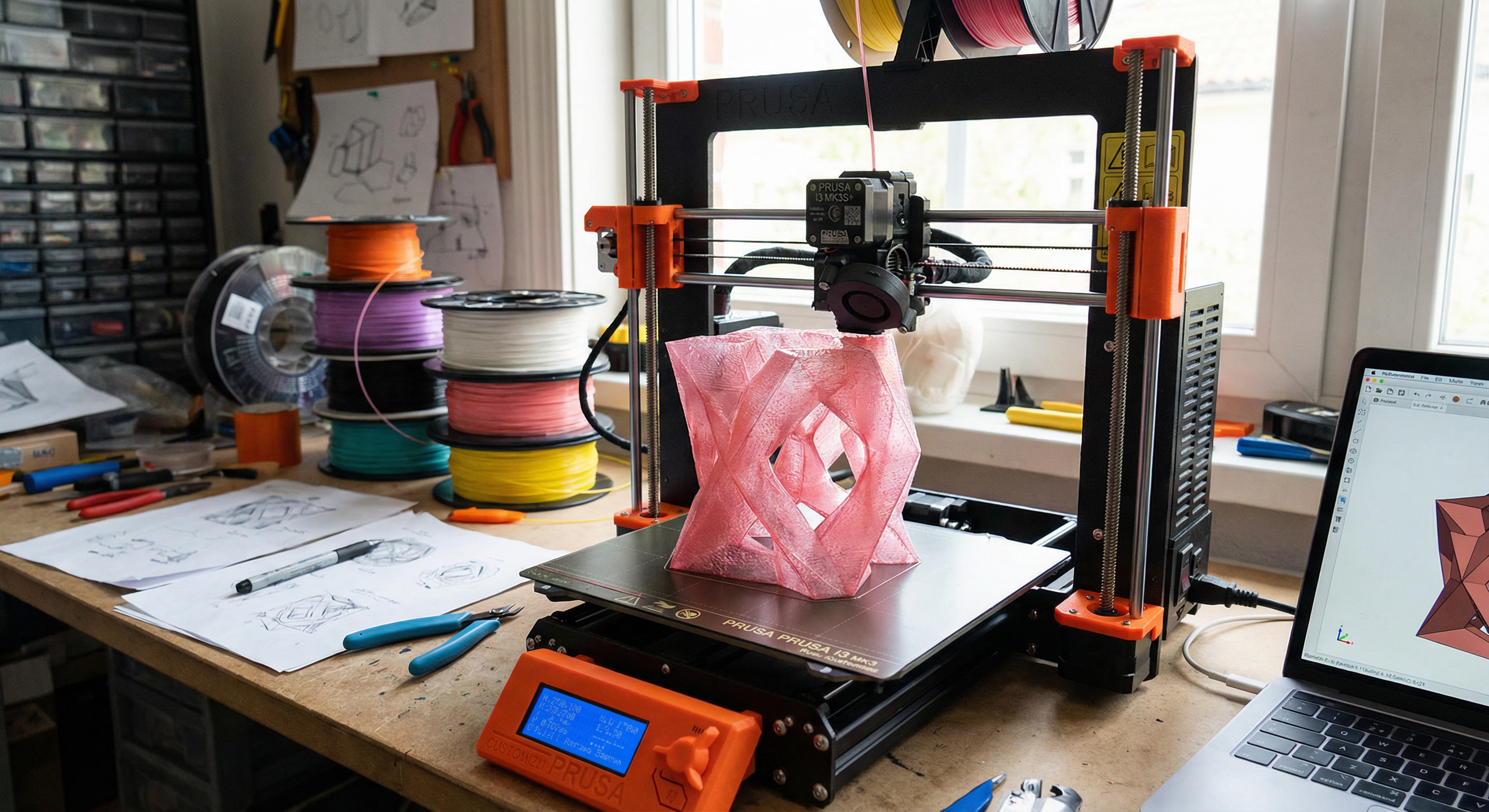
3D printing has made custom-sized and affordable devices accessible, but with significant trade-offs.
Common 3D Printing Materials
- Nylon (PA12): Most common, durable but porous
- Resin (SLA): Smoother surface but may contain unreacted chemicals
- PLA: Biodegradable, not body-safe for extended contact
Pros
- Custom Sizing: Can be made to exact measurements
- Affordability: Often much cheaper than commercial devices
- Design Variety: Unique designs not available commercially
- Rapid Iteration: Can quickly test different sizes and designs
Cons
- Porosity: Most 3D printing materials are porous, harboring bacteria that cannot be cleaned out
- Surface Texture: Layer lines create rough surfaces causing irritation
- Durability: May crack, warp, or degrade unpredictably
- Safety Unknown: Most printing materials are not tested for prolonged body contact
- Cannot Sterilize: Porous nature makes full sterilization impossible
- Quality Control: Results vary based on printer quality and settings
Recommendations
3D-printed devices can be useful for:
- Testing sizes before purchasing commercial devices
- Short sessions (hours, not days)
- Understanding your preferences before investing
Not recommended for: Extended wear, primary use, or anyone prioritizing hygiene and safety.
Material Considerations for Sissy Chastity Specifically
Aesthetics Priority
If the visual aspect is important to you (pink color, minimal size, feminine appearance):
- Bio-Resin: Best color options, sleek appearance
- Silicone: Pink options available, soft appearance
- 3D-Printed: Can be made in any color
- Steel: Only silver/chrome—less suited for sissy aesthetics
Extended Wear Priority
If you plan on 24/7 or long-term wear:
- Bio-Resin: Designed specifically for extended wear
- Silicone: Comfortable but less structured
- Steel: Possible but weight can be challenging
- 3D-Printed: Not recommended for extended periods
Hygiene Priority
If easy cleaning and sterilization are paramount:
- Steel: Fully sterilizable, non-porous
- Silicone: Can be sterilized, non-porous if medical-grade
- Bio-Resin: Non-porous but limited sterilization
- 3D-Printed: Problematic hygiene—not recommended
Budget Priority
If cost is a primary concern:
- Budget Steel: Cheapest option for real chastity experience
- Silicone: Affordable but verify quality
- 3D-Printed: Very cheap but short-term only
- Bio-Resin: Premium pricing—invest after knowing preferences
The Veru One Alternative
Traditional cage materials all share common limitations: sizing challenges, hygiene difficulties in enclosed spaces, and comfort trade-offs for security.
The Veru One represents a different approach entirely. Rather than physical enclosure, it uses biometric monitoring to create accountability:
- No Material Contact Issues: Lightweight design without the sizing challenges of cages
- Superior Hygiene: No enclosed spaces to trap moisture and bacteria
- True Extended Wear: Designed for comfortable 24/7 use
- Technology-Based Security: Accountability through monitoring, not physical barriers
For those frustrated by the material compromises of traditional devices, the Veru One offers an alternative worth exploring.
Making Your Choice
Recommended Starting Point
If you're new to sissy chastity, consider:
- Start with an affordable steel device to learn your sizing preferences
- Once you know your measurements work, invest in bio-resin for comfort and aesthetics
- Keep the steel device for variety or backup
For Experienced Users
Your choice depends on your priorities:
- Aesthetics + Comfort: Bio-resin
- Security + Hygiene: Stainless steel
- Comfort + Affordability: Medical-grade silicone
- Technology + True Extended Wear: Veru One
Summary
There is no single "best" material for sissy chastity—only the best material for your specific needs:
- Bio-Resin: Premium choice for extended wear and aesthetics
- Steel: Durable, hygienic, and secure—but heavy and cold
- Silicone: Comfortable and affordable—but less secure
- 3D-Printed: For testing and short sessions only
Whatever material you choose, ensure proper sizing (see our Sizing Guide) and maintain strict hygiene (see our Hygiene Guide) for a safe, comfortable experience.
← Return to The Complete Guide to Sissy Chastity
Related Guides
- Sizing Guide — Getting the right fit regardless of material
- Hygiene Guide — Material-specific cleaning instructions
- Safety Protocol — Staying safe with any device