
Why can’t I orgasm? (Often it’s conditioning—not broken biology)
If you’ve been stuck in a loop of “why can’t I orgasm?” you’re not alone—and you’re not “defective.” Clinically, persistent difficulty reaching orgasm is often described under the umbrella of orgasmic dysfunction (sometimes “anorgasmia”), but in real life it’s frequently driven by a few predictable forces: desensitization from porn + masturbation habits , performance pressure , and a mismatch between what your body is trained to respond to vs. what partnered sex actually feels like .
This guide focuses less on medical edge-cases and more on the most common modern pattern: your nervous system learned a “high-intensity shortcut,” and now ordinary stimulation doesn’t register as strongly. The good news: your brain and body can re-train—often faster than people expect—when you change the inputs.
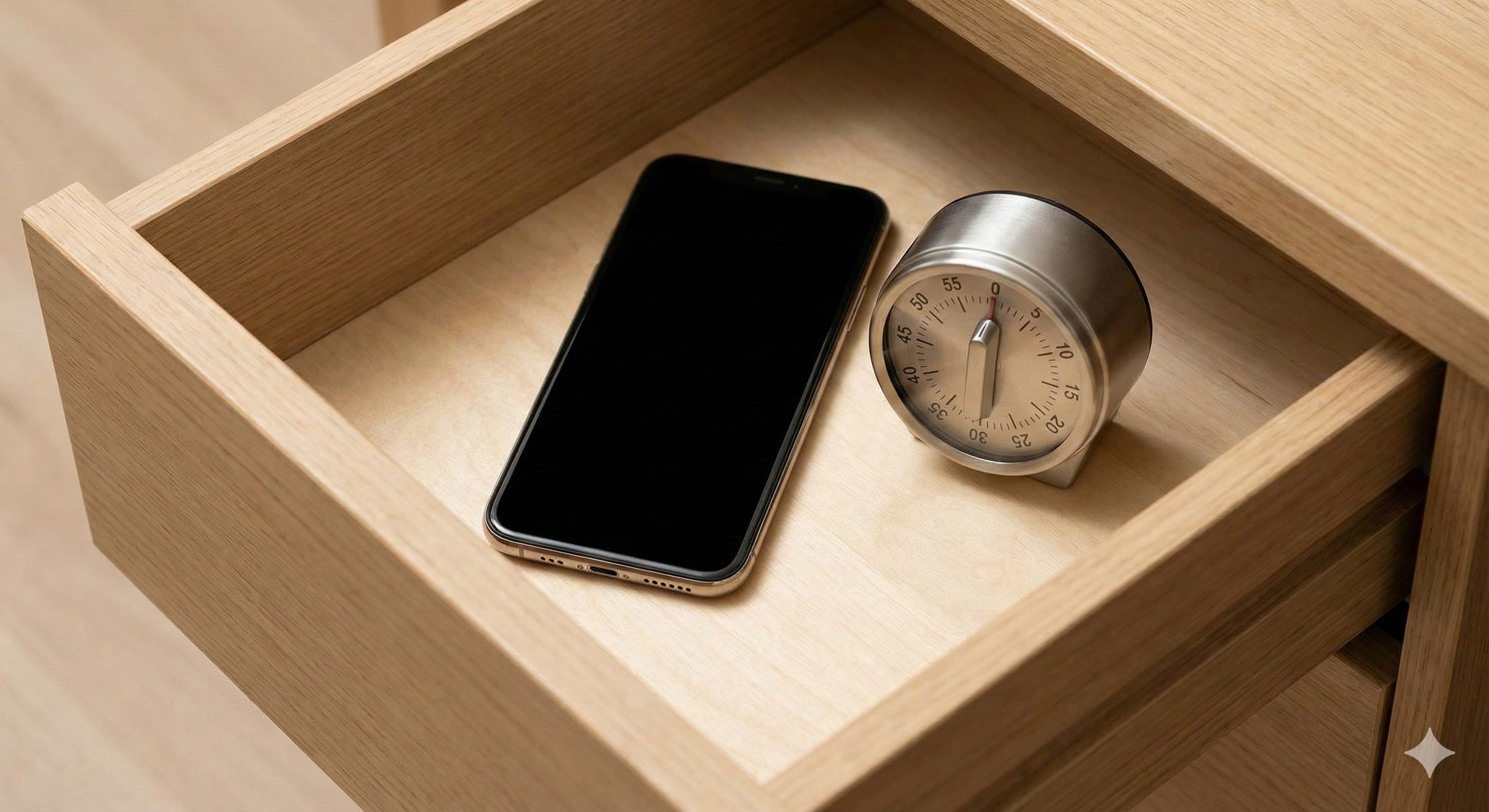
Communication lowers pressure—and pressure is one of the biggest orgasm killers.
Quick self-check: what “can’t orgasm” actually means
Before you fix it, name it. Many people can orgasm alone but not with a partner; others can orgasm with a partner but only under very specific conditions; some feel orgasm is “right there” but never happens. In clinical terms, orgasm problems are often categorized by whether they are lifelong vs. acquired and situational vs. generalized . That matters because the solution is different if you’ve always struggled versus if it began after a habit shift, medication, or a stressful season.
Also: inability to orgasm becomes a clinical problem mainly when it causes distress or relationship strain. If you enjoy sex and intimacy but don’t climax, you don’t automatically “need fixing.” But if you’re frustrated, anxious, or feeling broken, you deserve a plan.
The most common modern cause: desensitization and “conditioning”
Your sexual response system is trainable. When you repeat the same stimulation pattern—especially a very intense one—your brain learns: this is what “counts.” For many men, frequent porn + a tight, fast grip can condition the penis to respond best to pressure and friction that a partner can’t realistically replicate. You may still get fully aroused, but orgasm feels delayed, faint, or unreachable.
You’ll sometimes hear this described as “death grip syndrome” (slang, not a formal diagnosis). The mechanism is simple: your body adapts to what you do most . If your baseline becomes “high intensity,” partnered sex can feel comparatively “low signal.”
Signs you’re dealing with desensitization
- You can finish with porn/masturbation, but struggle with partnered sex.
- You need very specific pressure/speed/angle to climax.
- Your mind drifts during sex unless novelty is extreme.
- You feel turned on, but orgasm won’t “tip over.”
The other big culprit: performance pressure (“spectatoring”)
There’s a vicious loop: you worry you won’t orgasm → you monitor yourself during sex → monitoring pulls you out of sensation → you don’t orgasm → the worry grows. Sex therapists call this spectatoring : watching yourself perform instead of experiencing pleasure. The fix isn’t “try harder.” It’s re-training your attention and rebuilding safety, pacing, and confidence.
A practical 2–3 week reset plan (the re-sensitization protocol)
If desensitization is the main driver, the fastest improvement often comes from a short, structured reset: 2–3 weeks with no porn and no orgasm-chasing masturbation . This isn’t moralizing—it’s neurology. You’re lowering the intensity so your system can “feel” normal stimulation again.
Week 1: Remove the high-intensity inputs
- No porn (including “soft” scrolling that triggers fantasy).
- No “finish-focused” masturbation . If you need release for sleep/stress, keep it gentle and short—no porn, no tight grip, no racing.
- Move your body daily (walks, light lifting). Stress chemistry matters.
- Sleep and hydration: orgasm is easier when your nervous system isn’t fried.
Week 2: Re-introduce sensation—slowly and gently
- Use lube. Reduce friction and pressure.
- Slow down. Train your system to respond to subtler sensation.
- Switch hands/technique. Break the “one perfect groove.”
- If partnered: replace goal-sex with touch-sex (see below).
Week 3: Make your partner the “environment” (orgasm control done right)
Here’s the underrated move: if you’ve trained yourself to orgasm in a very specific way, letting your partner control pacing can reset your arousal map. This isn’t about humiliation or pushing limits. It’s about re-learning responsiveness through slower, mindful stimulation—and removing the “I must perform” pressure.
Try a simple agreement for 2–3 weeks: your partner decides when orgasm is “allowed,” and your job is to stay present and communicate. When orgasm is off the table, your body stops sprinting toward the finish line and starts registering sensation again.
The best exercise for couples: Sensate Focus (no-pressure intimacy)
Sensate Focus is a classic sex-therapy protocol designed specifically to break performance anxiety and rebuild pleasure. The basic idea: temporarily remove intercourse and orgasm goals, and practice mindful touch . You’re training your nervous system to relax and respond—without the “pass/fail” scoreboard.
- Non-genital touch : explore texture/temperature/pressure, no agenda.
- Add erogenous zones : still no requirement to get aroused.
- Mutual touch : optional lube/oil, still not goal-driven.
- Slow re-entry : if you do intercourse, keep it unhurried and sensation-first.
Putting the “dopamine machine” away for a couple weeks can make real-world touch feel vivid again.
Don’t ignore medical contributors (fast checklist)
Even if your main story is desensitization, be honest about contributors that stack on top:
- SSRIs/antidepressants can delay or block orgasm for some people.
- Hormones (low testosterone, menopausal changes) can change responsiveness.
- Stress/anxiety keeps the body in “fight-or-flight,” which fights orgasm.
- Chronic illness/nerve issues can reduce genital sensation.
Note: This article is educational, not medical advice. If orgasm loss is sudden, painful, or paired with other symptoms, talk with a qualified clinician.
Where Veru One fits (retraining + accountability, without shame)
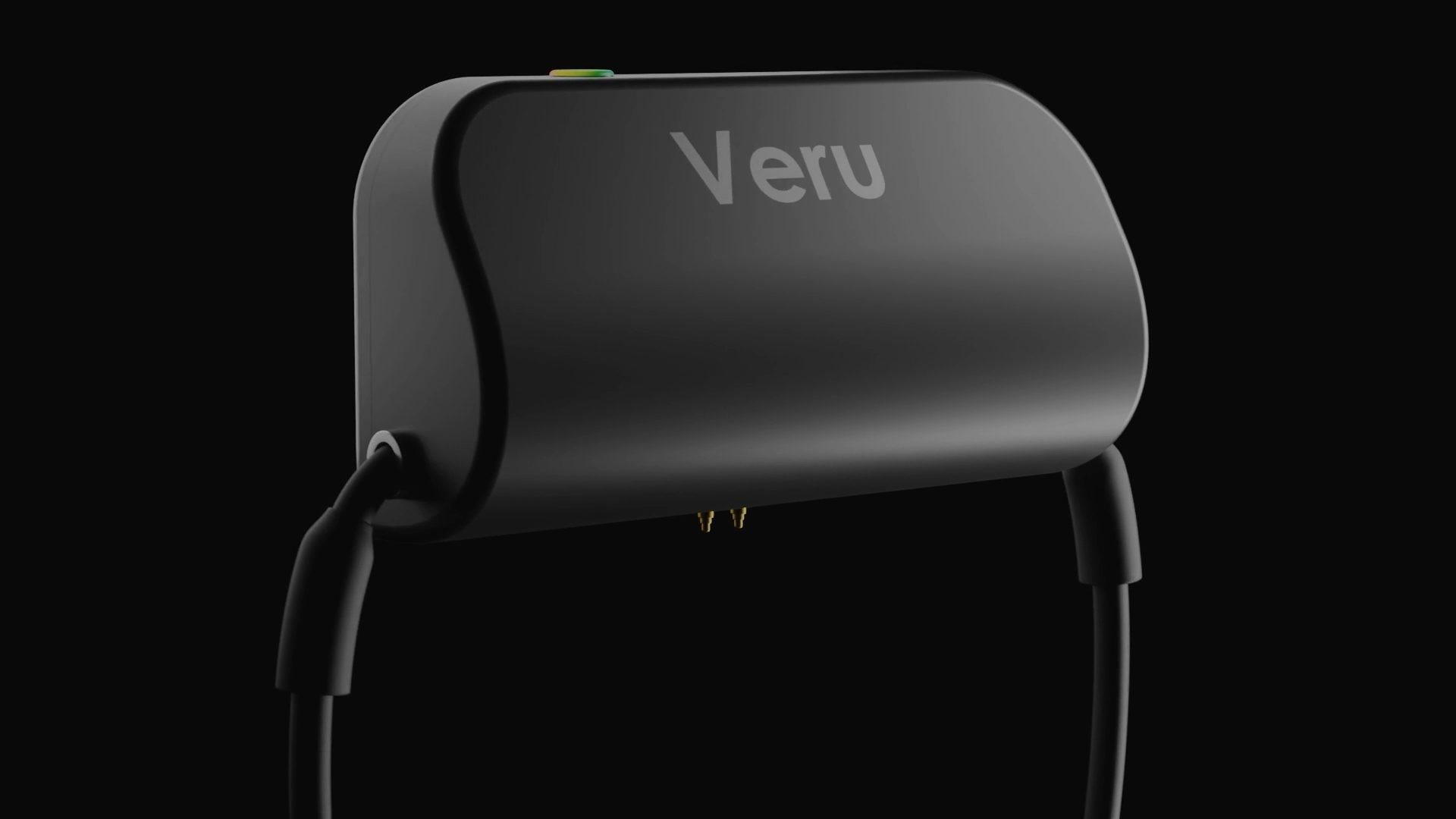
If your goal is to rebuild sensitivity and make orgasm control a positive part of your relationship, structure helps. Veru One is designed to support a consent-based dynamic where your partner can guide access and pacing—turning “reset weeks” into a shared plan instead of a solo willpower battle.
The point isn’t to punish desire. It’s to re-balance your arousal system: less overstimulation, more real intimacy, and a pattern where orgasm becomes something you can enjoy again—without chasing it.
Veru One Q&A
Is Veru One only for kink relationships?
No. Many couples use “control” simply as structure: agreed boundaries, pacing, and accountability—especially during a porn reset or habit change.
Will orgasm control actually help if I can’t climax?
For many people, yes—because it removes performance pressure and reduces compulsive “finish-chasing.” Pair it with a 2–3 week porn break and gentler stimulation to re-train sensitivity.
What if my issue is medication-related (like SSRIs)?
Then behavior changes alone may not fully solve it. Veru One can still support intimacy and communication, but you’ll want to discuss options with your prescriber (dose timing, alternatives, or adjuncts).
How do we keep this healthy and consensual?
Use clear agreements: safewords, check-ins, and a shared goal (re-sensitization, connection, confidence). “Control” should feel supportive—not coercive.
Where do I start?
Start with the reset: 2–3 weeks no porn, gentler stimulation, and one Sensate Focus session per week. If you want structure and shared accountability, Veru One can help you keep the plan consistent.

Veru One and This Topic
Reset plans work best when they reduce pressure, improve communication, and build consistency over weeks rather than days.
Use the email signup form below this page for launch updates and availability notifications.