
Updated
Orgasm is less “one magic hormone” and more a coordinated chemical sequence.
So… what hormone is released during orgasm?
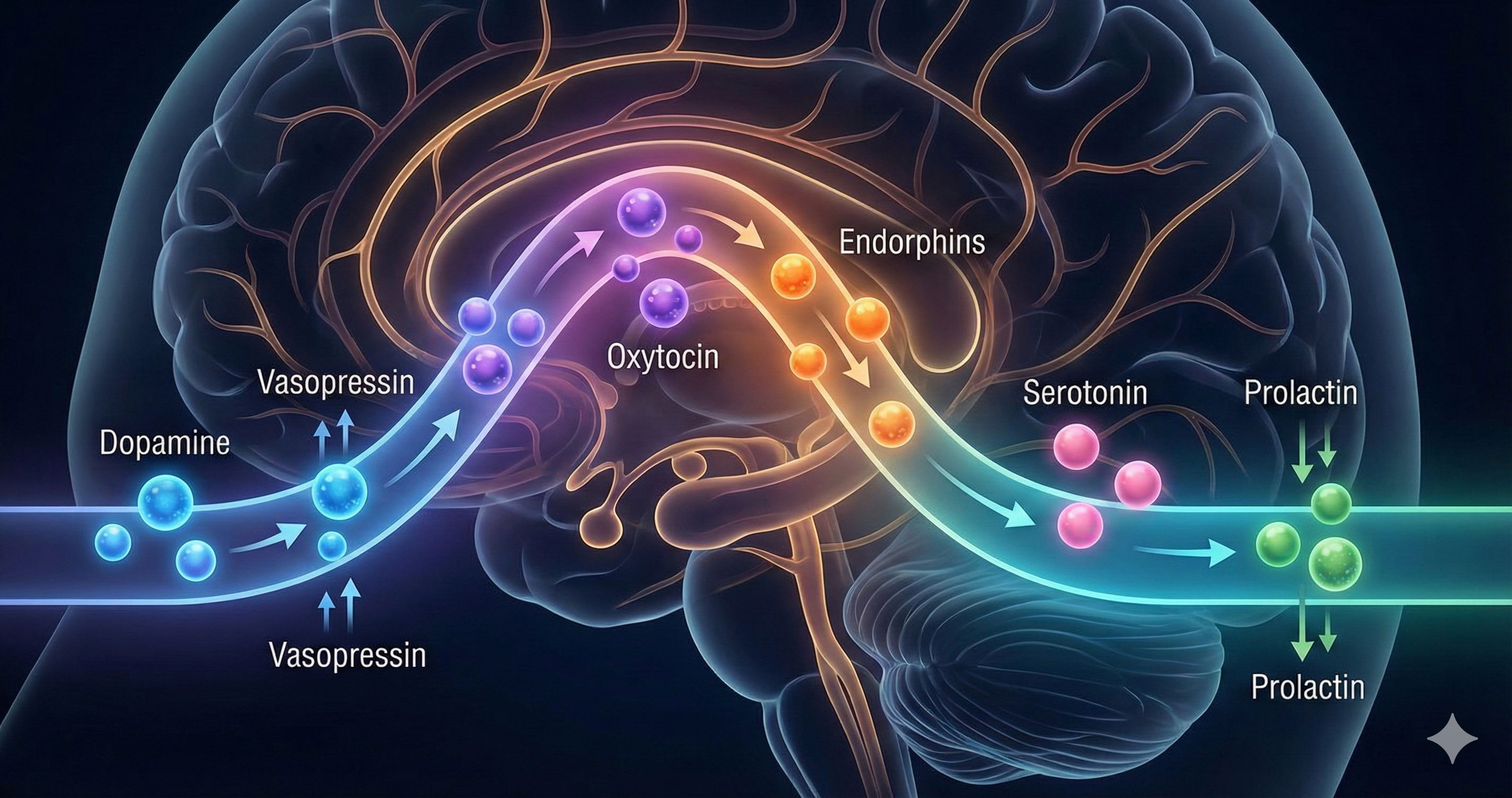
If you’re searching “what hormone is released during orgasm” , you’re probably hoping for a single word answer. The reality is better: orgasm is a stack of hormones and neurotransmitters that arrive in a specific order—some ramp you up, some intensify the peak, and some bring you back down.
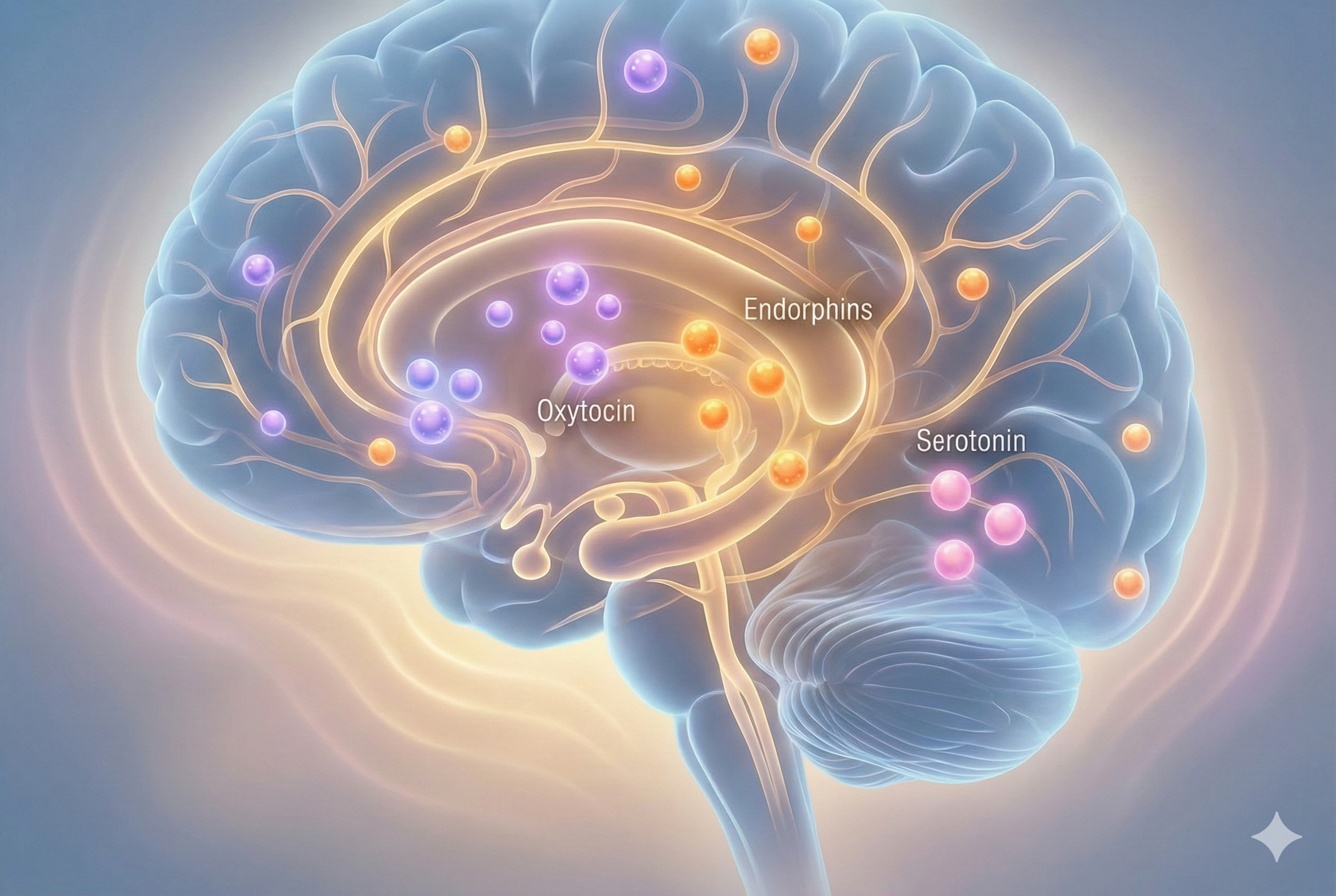
The most commonly discussed players are dopamine , oxytocin , endorphins , serotonin , and prolactin . Many people also see changes in vasopressin during arousal. The “best” answer depends on which part of orgasm you mean: the build-up, the peak, or the afterglow.
Dopamine: the anticipation engine
Dopamine is the “wanting” chemical—motivation, reward-seeking, laser focus. During arousal, dopamine rises as your brain predicts pleasure and pushes you toward it. At climax, dopamine spikes hard, which is a big reason orgasm can feel euphoric and intensely reinforcing.
This matters for modern habits, too. When stimulation is high novelty and very frequent (think endless scrolling, rapid switching, and chasing the next hit), the brain can learn to prioritize dopamine spikes over slower, more connected intimacy. The fix is rarely shame or “willpower”—it’s usually changing the pattern : slowing down, reducing novelty, and letting anticipation build in a more intentional way.
Oxytocin: bonding + rhythmic “completion”
Oxytocin is often called the bonding hormone for a reason: it’s linked to trust, vulnerability, and closeness. During orgasm, oxytocin supports rhythmic muscular contractions and can also intensify the feeling that you and your partner are emotionally “locked in.”
Oxytocin doesn’t force bonding on its own—context matters. Consent, safety, and emotional connection shape how oxytocin feels in the mind. In a secure relationship it can feel like warmth and closeness; in a stressful dynamic it may feel more complicated.
Endorphins: natural opioids and the afterglow
Endorphins are your body’s built-in painkillers. After orgasm, they can bring a wave of relaxation, relief, and “everything is okay.” That’s why some people describe orgasm as a whole-body exhale. Endorphins also contribute to the soft, narcotic-like calm that can follow sex.
The “afterglow” is real chemistry: calming systems take over after the peak.
Serotonin: contentment… and a built-in brake
Serotonin is commonly associated with mood stability and contentment. After climax, serotonin helps shift the brain away from pursuit mode. It’s also one of the reasons arousal usually drops after orgasm—serotonin can act as a brake on further sexual escalation.
This is why “more stimulation” right after orgasm can feel neutral or even annoying for many people: the brain is actively transitioning into a calmer, restorative state.
Prolactin: the satiety signal (and the refractory period)
Prolactin is a huge part of the “reset.” After climax—especially after ejaculation—prolactin rises and suppresses dopamine signaling. That’s a big reason many men experience the refractory period: your motivation/anticipation chemistry has been turned down on purpose.
In simple terms: dopamine says “go get it” , prolactin says “you got it, now rest.”
Vasopressin: arousal support (then it quiets down)
Vasopressin tends to rise during arousal, supporting physiological readiness (including cardiovascular output). Around ejaculation it often returns toward baseline, allowing the more soothing, bonding-oriented signals to dominate the immediate after phase.
Why orgasm can feel “weaker” after too much porn or fast masturbation
Many people don’t realize how much orgasm quality is tied to anticipation . If your brain is used to rapid novelty and quick release, dopamine spikes become easier to trigger—but also easier to dull. You might still get an orgasm, but it can feel less satisfying, less embodied, or less emotionally connected.
A practical approach is to rebuild the slow circuit: reduce novelty, extend warm-up, and treat orgasm as an event you arrive at , not something you take. For couples, this can be even more powerful when release becomes a shared decision (with consent), because it changes the reward from “quick dopamine” to “earned, connected completion.”
How consensual orgasm control changes the chemistry
When orgasm is delayed (edging) or when ejaculation is prevented, the usual post-orgasm prolactin surge can be reduced or postponed—meaning the “satiety” signal doesn’t fully kick in. For some people, that keeps motivation and anticipation elevated for longer. The key is to keep it consensual, safe, and emotionally supportive—because your nervous system is still doing real work.
Not medical advice: if you have persistent orgasm difficulty, pain, or major sexual side effects (including from medications), talk to a qualified clinician.
Veru One Q&A
What is Veru One?
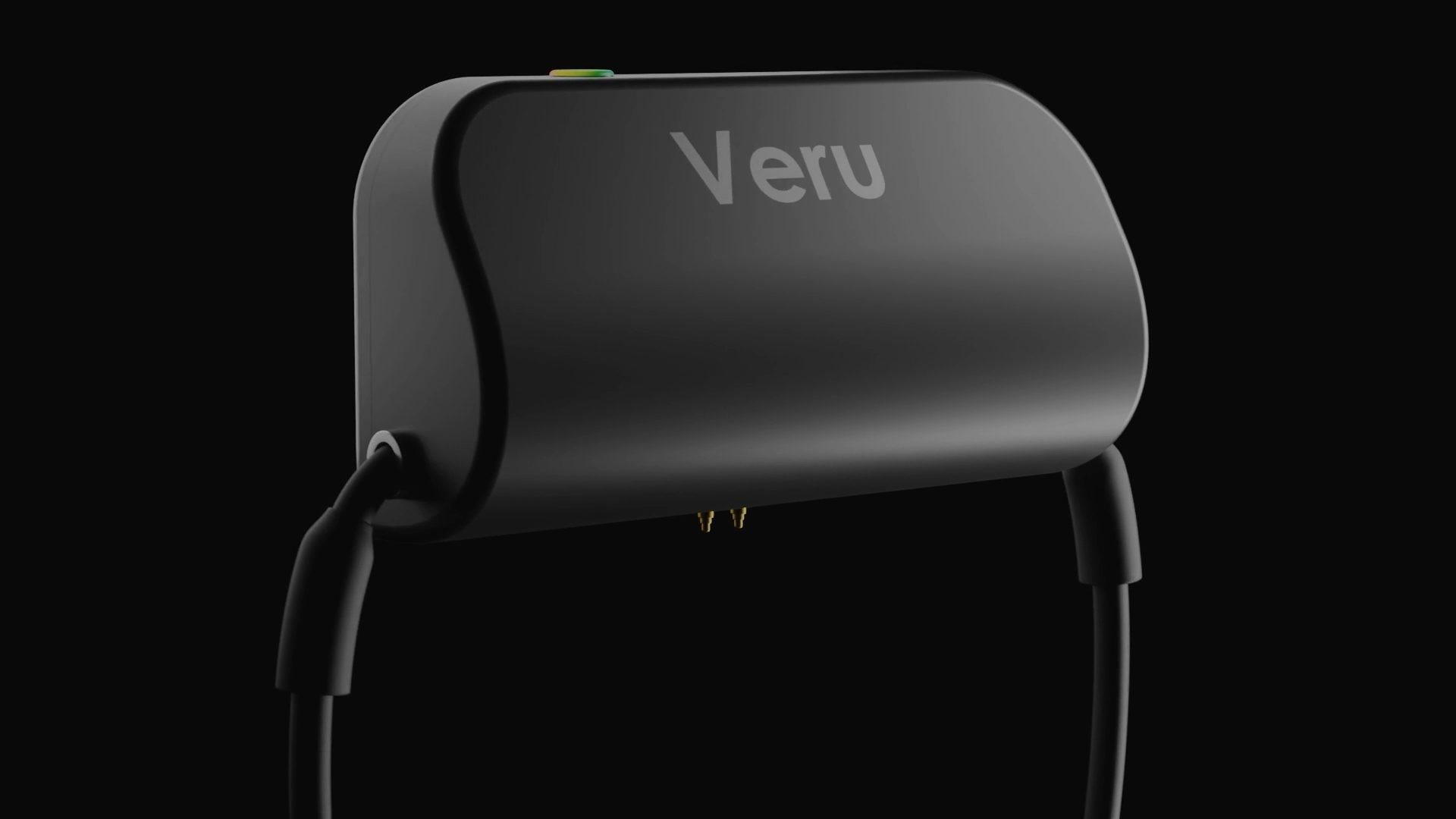
Veru One is a comfort-focused male chastity device designed for real-world wearability and privacy. It’s built for couples who want to make orgasm control practical—not awkward, not extreme, and not “all fantasy, no follow-through.”
How does Veru One connect to orgasm hormones?
Hormones like dopamine (anticipation) and prolactin (satiety) shape how desire rises and resets. In a consensual dynamic, orgasm control can help couples slow the loop down, rebuild anticipation, and make release feel more meaningful—less “habit,” more “shared experience.”
Is it only for BDSM?
No. Plenty of couples use orgasm control in a playful, non-intimidating way—more like a flirtatious agreement than a “scene.” The point is consent and communication, not intensity.
Is it private?
Yes—privacy is central. The goal is a device you can wear discreetly while keeping your intimate dynamic between you and your partner.
How do we start safely?
Start light: agree on boundaries, time limits, and an easy “stop” signal. Focus on connection and check-ins. If you’re experimenting with denial, plan for comfort and aftercare—your nervous system will thank you.
here (e.g., “Learn how Veru One supports private, consensual orgasm control”) and link to your product page.
:
- “How to edge safely (beginner guide)”
- “Orgasm denial explained (consent-first)”
- “Why can’t I orgasm? Common causes + reset strategies”
Veru One and This Topic
Hormone-aware intimacy works best when couples focus on timing, pacing, and communication instead of quick outcomes.
Use the email signup form below this page for launch updates and availability notifications.