
Hands Free Orgasm: What Is It, Is It Real, and How Does It Work?
A hands free orgasm sounds like a party trick—until you look at what modern neurobiology says about orgasm. The emerging view is that climax isn’t only a bottom‑up “friction reflex” from genitals to brain. In some people, it can also be a top‑down nervous‑system event where the brain recruits the same orgasm circuitry through breath, attention, alternative erogenous zones, or targeted pelvic stimulation.
Updated: February 23, 2026

Non-explicit illustration: the brain-body connection behind hands free orgasm.
Table of contents
- What “hands free orgasm” actually means
- The science markers that validate it
- Five common pathways people use
- Safety and consent essentials
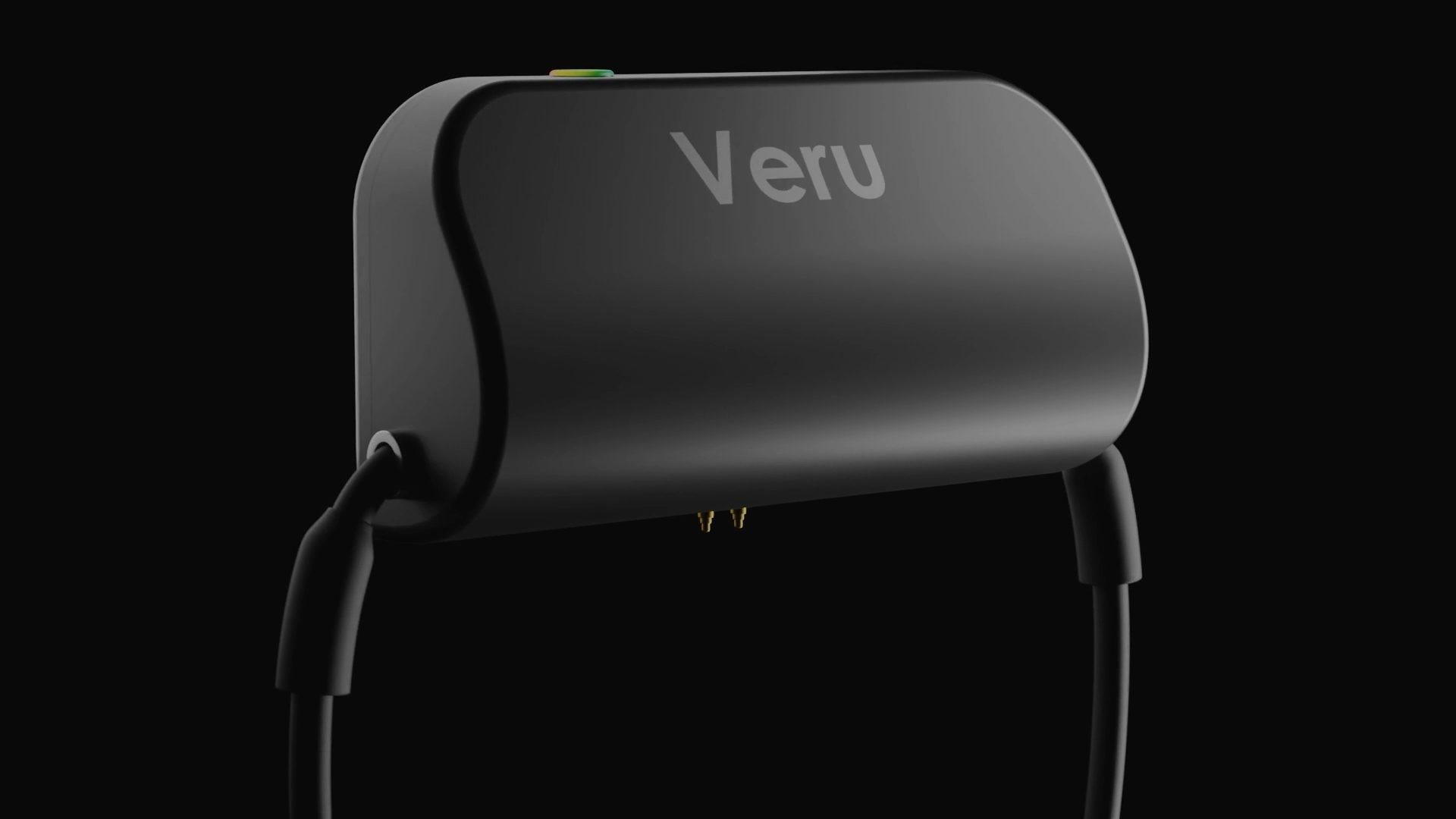
- Where Veru One fits
- Veru One Q&A
What “hands free orgasm” actually means
A hands free orgasm (HFO) typically means climax without using your hands for genital stimulation. That doesn’t always mean “no touch at all.” Some people use breathing and focus; others rely on non‑genital touch, vibration, or internal pelvic stimulation. A stricter subset is the “touch‑free orgasm,” where the trigger is primarily cognitive (breathwork, fantasy, audio, hypnosis), with little to no physical stimulation.
The big idea: the brain is the primary sexual organ. If the nervous system crosses an orgasm threshold, the body’s cascade can look similar regardless of the exact trigger.
The science markers that validate it
Skeptics often assume hands‑free orgasms are “just arousal.” Two evidence streams say otherwise:
Hormones (prolactin as a marker)
Orgasm is associated with a recognizable neurochemical sequence, including a post‑orgasm prolactin rise. In a documented case study summarized in the PDF, non‑genital orgasms produced time‑dependent prolactin increases, while a non‑sexual control condition did not. That pattern supports the claim that a hands free orgasm can be a full physiological event, not merely excitement.
Brain-wide activation at climax
Functional imaging of orgasm shows distributed activation across reward, sensory, and autonomic regions. The practical takeaway is that once the “orgasm network” is engaged, the system can be triggered by different congruent inputs—not only genital friction.
Why hands‑free can improve with practice
Neuroplasticity helps explain why some people become more capable of hands free orgasm over time. Repeating arousal with new triggers—breath patterns, audio cues, pelvic floor control, or non‑genital touch—can strengthen alternate pathways and make the threshold easier to reach.
Five common pathways people use to build a hands free orgasm
This section is a map of the landscape, not a step‑by‑step tutorial.
1) Breathwork + pelvic floor control (tantric-style)
Many reports center on slow diaphragmatic breathing paired with intentional pelvic floor engagement. The PDF summarizes protocols that emphasize full-body relaxation, continuous breathing, and coordinated pelvic floor contractions to amplify sensation. In plain terms, you’re training autonomic arousal and directing attention so subtle signals become strong enough to crest into orgasm.
2) Erogenous zone relocation (non-genital touch)
For some people, areas like nipples, perineum, inner thighs, lower abdomen, or neck become more erotic with focus and repetition—especially when genital stimulation is reduced.
3) Prostate / deep pelvic stimulation (for people with prostates)
A major hands free orgasm pathway for people with prostates is deep pelvic stimulation (often called the P‑spot). The PDF notes that prostate-focused orgasms are often described as more diffuse and “full body” than typical penile orgasms, and that device geometry matters because the target is anatomical, not friction-based.
4) Audio, fantasy, hypnosis, and ASMR-style cues
Because orgasm is centrally mediated, cognitive inputs can be powerful. Some people use erotic audio, guided fantasies, or hypnosis-style scripts that condition the body to respond to specific cues. The PDF also highlights research on ASMR showing measurable autonomic changes.
5) Coregasms and spontaneous orgasms (exercise or sleep)
Not all hands free orgasms are intentional. Some people experience exercise-induced orgasms (“coregasms”) during intense core and pelvic-stabilizing work. Others report sleep-related orgasms linked to specific sleep states.
Safe, non-explicit illustration: pleasure literacy is about communication and comfort.
Safety and consent essentials
- Consent first, always —especially with partners, power exchange, or hypnosis-style play.
- Avoid pain, numbness, breath-holding, or extreme straining.
- If you use devices, choose body-safe materials and follow manufacturer instructions.
- If you have pelvic pain, bleeding, or persistent discomfort, pause and speak with a clinician.
Where Veru One fits into the bigger picture
Veru One is designed for comfortable, long-term male chastity—supporting a lifestyle where routine genital stimulation is reduced and arousal is guided through anticipation, control, and alternative pathways. For some couples, that structure makes “brain-first” arousal easier to cultivate: more focus on mental build, more attention to non‑genital pleasure, and more intentional communication.
Veru One isn’t a “hands free orgasm machine.” It’s a comfort-and-control tool that can make consistent training goals more realistic over time.
Veru One Q&A
What is Veru One?
Veru One is a next-generation male chastity device designed for comfort, daily wear, and secure control—built to be more lifestyle-friendly than traditional cages.
Is Veru One only for BDSM?
No. Some couples use chastity for playful teasing, focus, intimacy, and habit-building.
Can Veru One guarantee a hands free orgasm?
No device can guarantee a hands free orgasm. But reducing routine genital stimulation and encouraging other pathways (breath, focus, non‑genital touch) can make hands-free orgasms more attainable for some people over time.
Is long-term wear safe?
Fit and hygiene matter. Discomfort, skin irritation, or circulation issues are signals to adjust or stop and reassess.
How do I learn more?
Visit the Veru One page for fit, comfort, and relationship-focused guidance—and for more science-forward discussions like this one about hands free orgasm.
Disclaimer: This article is educational and not medical advice.

Veru One and This Topic
Hands-free pathways are usually built through repetition, nervous-system regulation, and realistic expectations.
Use the email signup form below this page for launch updates and availability notifications.